
Shimizu Park Flower Fantasia: A Floral Haven That Brings a Sense of Healing with Every Step


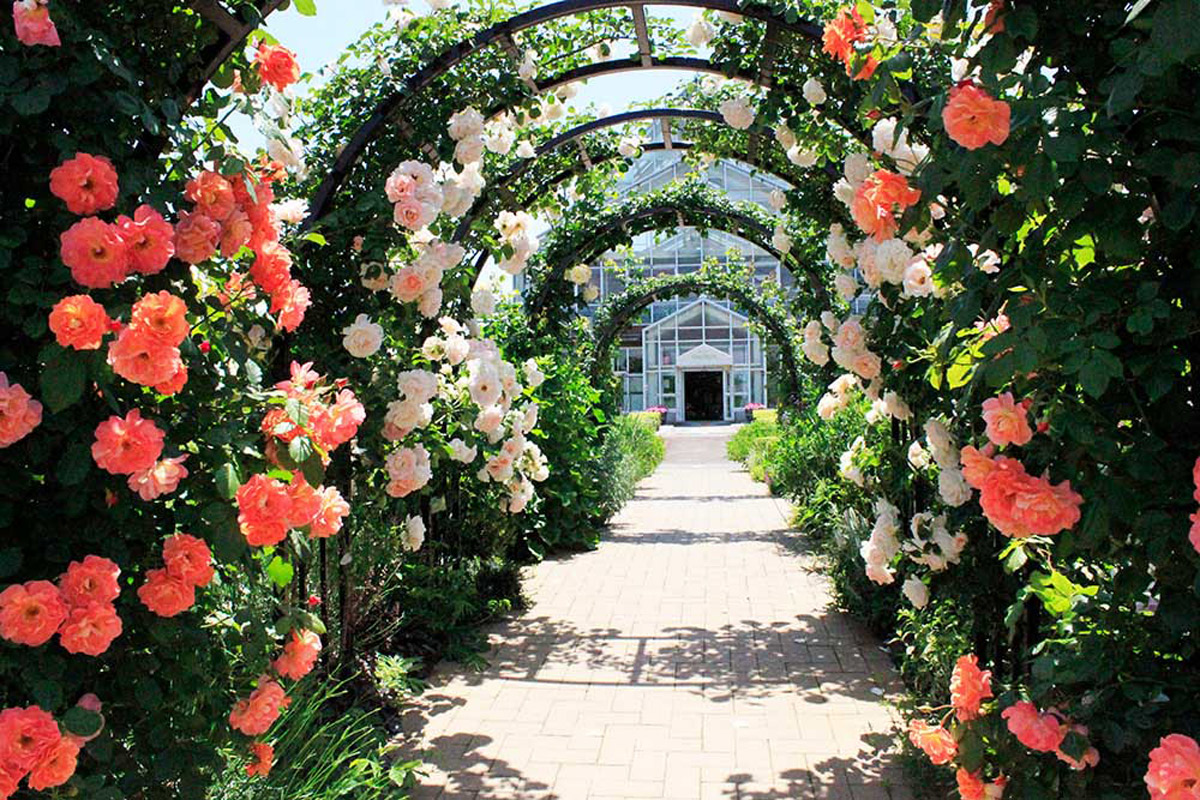
Shimizu Park was developed as a place of relaxation for local residents. In this article, we introduce Flower Fantasia, a renowned flower garden located within the park. With the surrounding forest serving as a beautiful backdrop, and thoughtfully arranged flowering plants and trees shaping a soothing atmosphere, visitors are naturally drawn to wander through the space. Stroll at a leisurely pace among flowers at their peak and enjoy a deeply relaxing experience.
“Flower Fantasia” —
a celebrated flower garden located within Shimizu Park
Opened in 1894, Shimizu Park is a historic park with a long heritage. Covering approximately 280,000 square meters (69.2 ac), it offers a range of attractions, including field athletics, camping and barbecue areas, and a pony ranch. Here, we introduce the “Flower Fantasia” area located within the park.
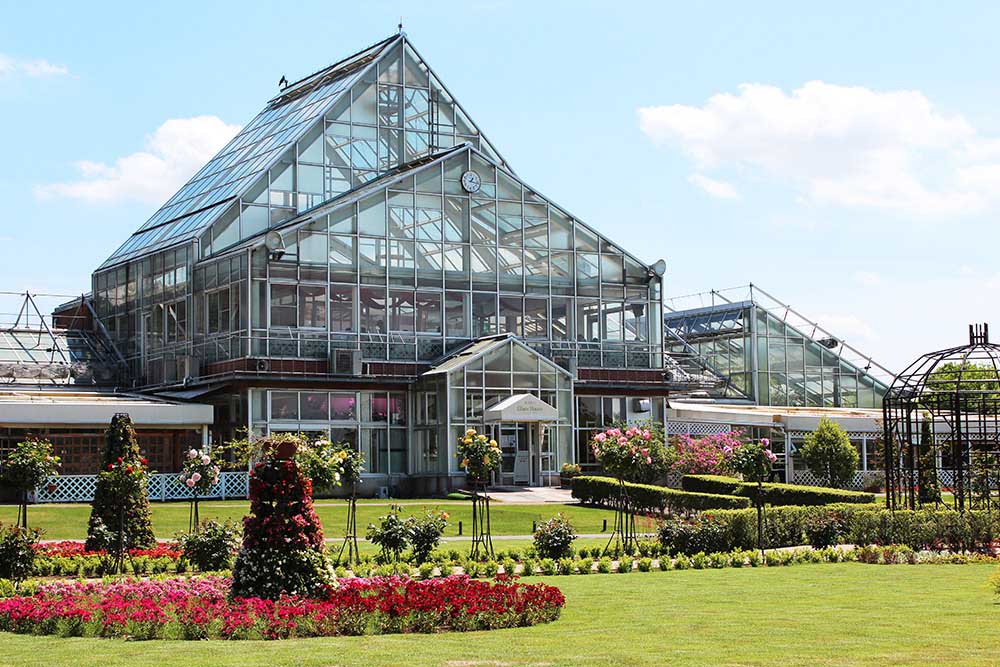
“Flower Fantasia” is a renowned flower garden that opened in 2002, created as a relaxing retreat for the local community. Covering approximately 60,000 square meters (14.8 ac) , it is designed for leisurely strolling, allowing visitors to enjoy the scenery at a gentle pace and complete a full circuit in just under an hour on foot.
Within “Flower Fantasia,” the grounds are divided into themed areas including the “Seasonal Flower Beds,” redesigned three times a year, the “Rose Garden,” the “English Garden,” the“Aquatic Plant Area,” and the“Subtropical (Greenhouse) Area,” allowing visitors to enjoy a rich variety of ever-changing landscapes.
The garden features approximately 700 species of plants.
During the spring season, highlights include plum blossoms, peach blossoms, mimosa, cherry blossoms, peonies, wisteria, roses, and water lilies. In autumn, visitors can enjoy autumn roses, golden lace flowers, thoroughwort, pampas grass, and vibrant maple foliage.
Open during two seasons — spring and autumn — the garden offers plantings that beautifully reflect the changing seasons.
“We carefully considered the garden layout to create a soothing atmosphere,” says a member of the management staff. “By balancing the spacing between open areas and trees, and by incorporating variations in height, depth, and beautiful natural backdrops, we aimed to create a fresh and immersive landscape.”
Perhaps as a result of these efforts, visitors often comment that the garden feels “spacious and relaxing” and “beautifully maintained.” Today, around 40,000 people visit each year to relax and unwind.
Massed Flower Beds, Cascading Wisteria Trellises, and a Rose Garden…
A Beautiful Succession of Blooms
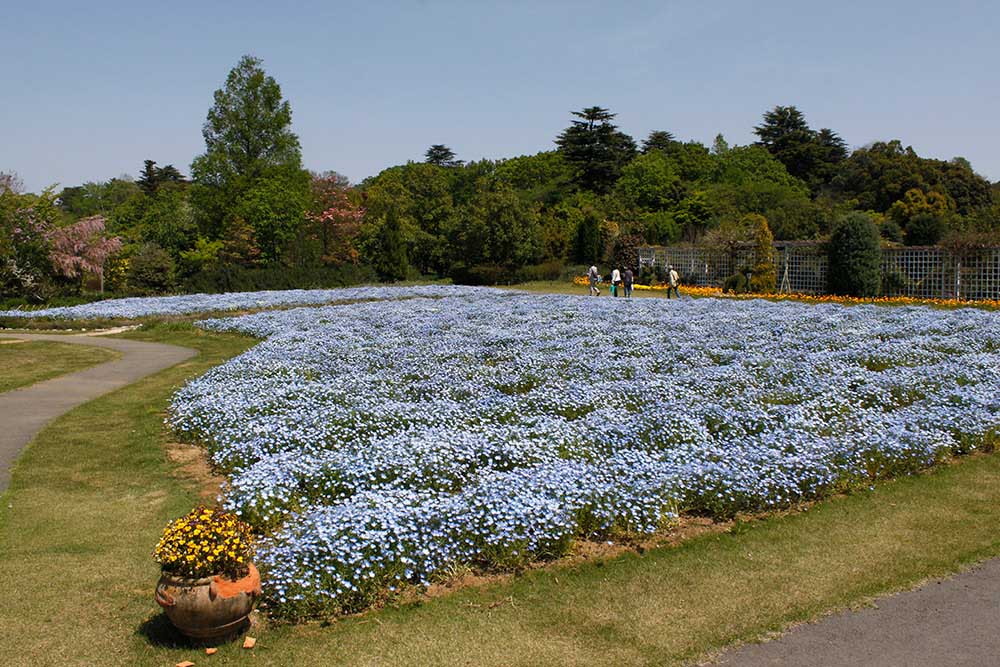
From mid to late April, a mass planting of approximately 5,400 pots of nemophila comes into peak bloom. True to its Japanese name, ruri-karakusa (“lapis lazuli flower”), the plant is admired for its vivid blue blossoms. As the stems spread low across the ground and bloom densely, they create a stunning landscape resembling a vast blue carpet.
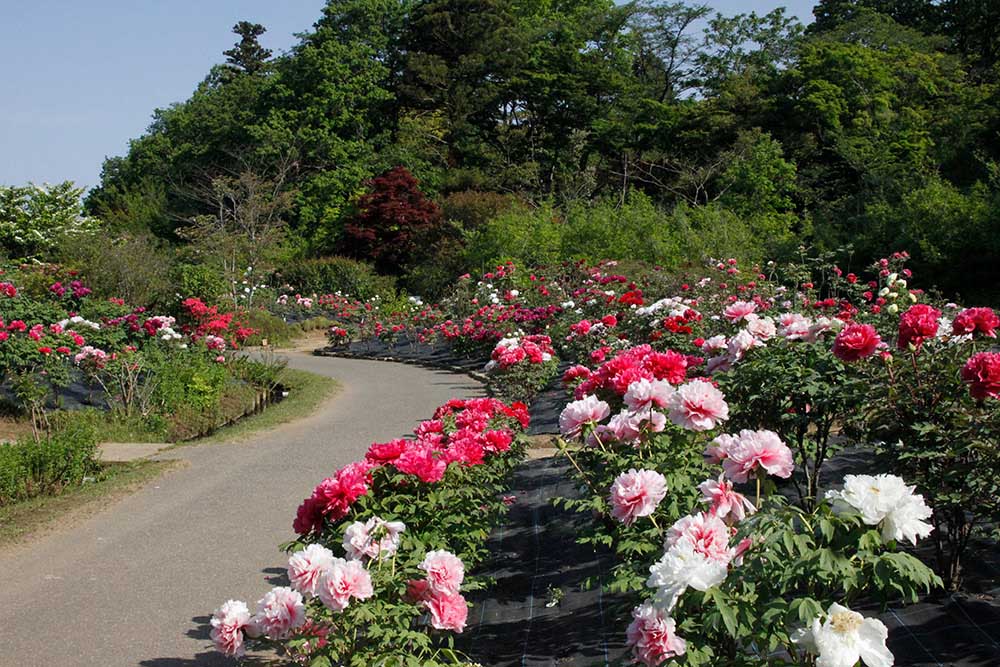
From late April to early May—around the same time the nemophila is in bloom—peonies also reach their peak, making this another must-see attraction. The peony garden within “Flower Fantasia” features approximately 1,000 plants representing around 80 varieties. With their many layered petals, the blossoms have a luxurious, showy appearance, displaying beautiful shades of red, pink, and white.
In early May, wisteria comes into full bloom. Around 30 Japanese wisteria (called “Noda-fuji”), aged between 10 and 20 years, are planted here, with vines stretching an impressive 4 to 6 meters in length. Trained over trellises, the flowers cascade down in luxurious, waterfall-like clusters that never fail to captivate visitors. Planted beside a pond, the purple blossoms are beautifully reflected on the water’s surface, creating an even more enchanting scene.
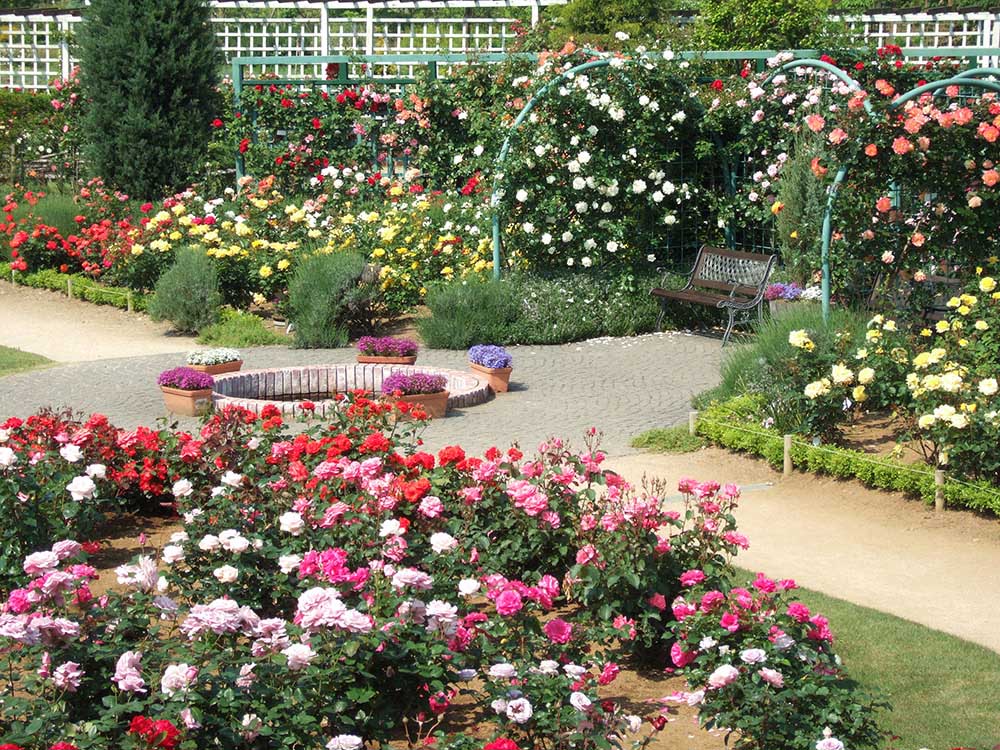
From mid-May to mid-June, the roses take center stage. The “Rose Garden” is home to approximately 1,300 rose bushes representing around 200 varieties, all blooming in magnificent profusion. A highlight is the rose tunnel, which stretches for about 10 meters, formed by connecting arches 3 meters wide and 2.6 meters high.
Visitors can enjoy beautiful gradations of color created by roses in varying shades.
Be sure to explore the diverse plantings as well, including an area dedicated to highly fragrant varieties and another featuring cultivars from the popular The Rose of Versailles series. During the rose season, the garden also hosts the “Rose Festa,” where visitors can enjoy live music, dance performances, and other special events.
Early-summer blooms and Water Lilies
Autumn color with Kochia and Salvias
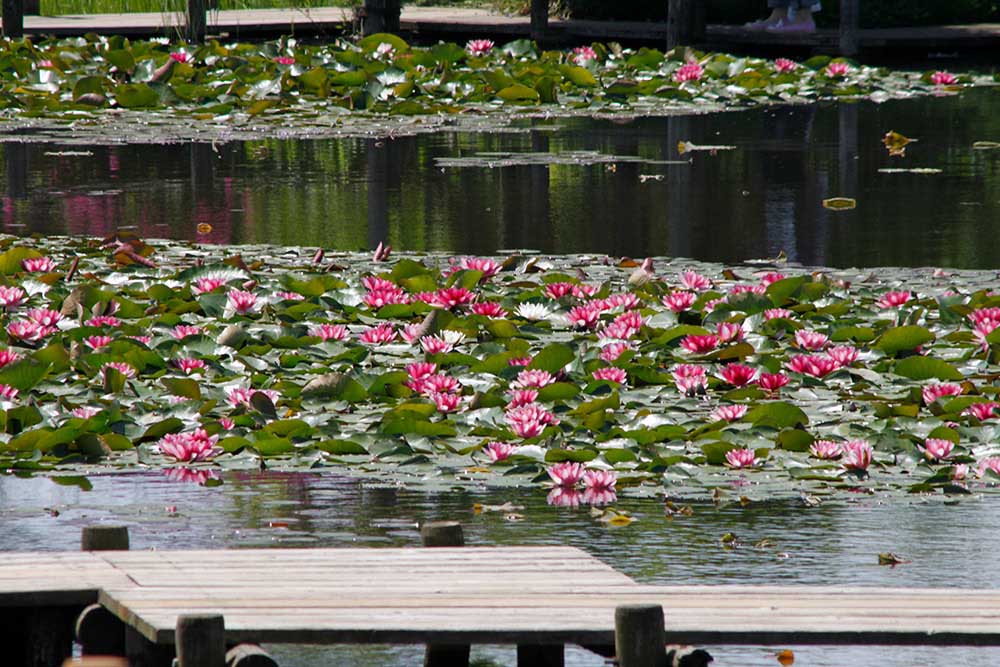
From early May to late August, water lilies come into bloom (the garden is closed during July and August). Three varieties of water lilies flower across a pond of approximately 3,000 square meters. Over the years, the plants have naturally multiplied, creating an increasingly spectacular display. Since the flowers tend to close in the evening, visiting in the morning is recommended for the best viewing experience.
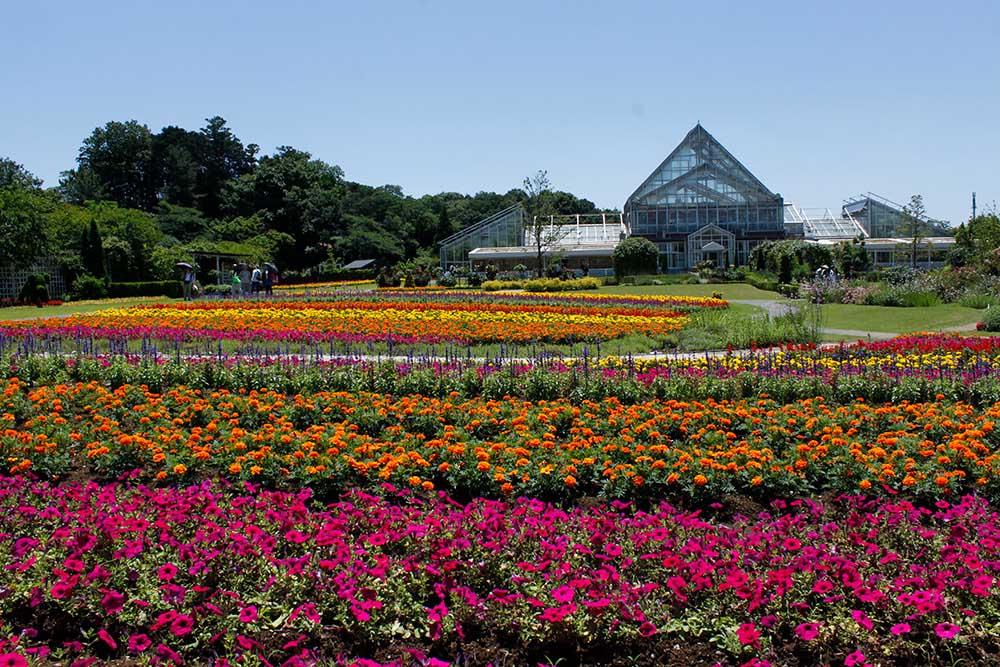
The flower beds once covered in nemophila are redesigned in May and newly planted with colorful summer blooms. Approximately 4,600 annual plants representing five varieties are arranged in sweeping border-style plantings. By creating gradations in flower color, the design emphasizes a sense of depth and makes the garden space feel even more expansive.
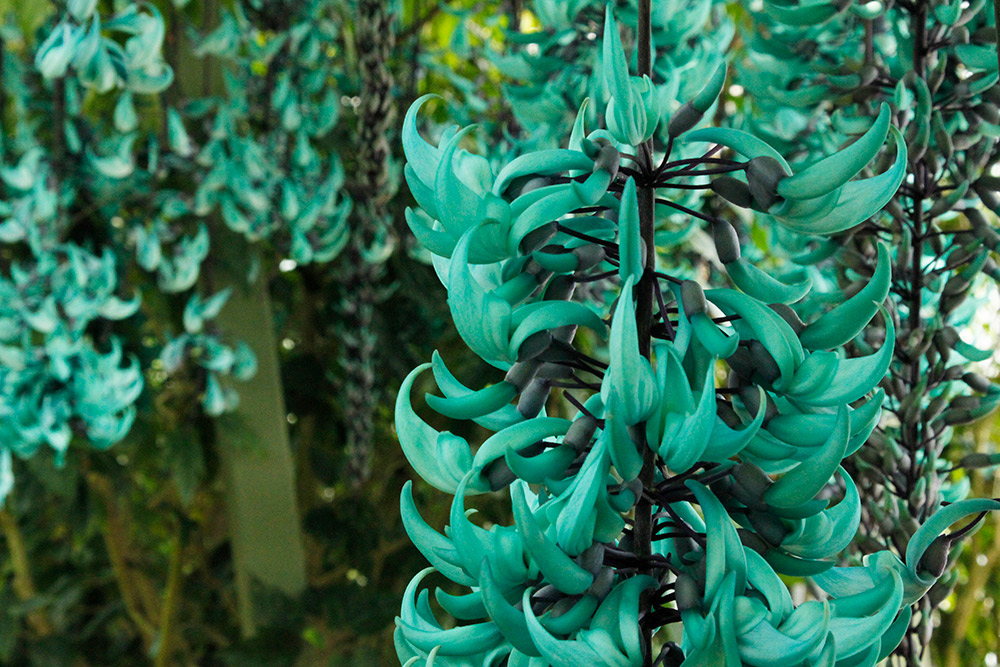
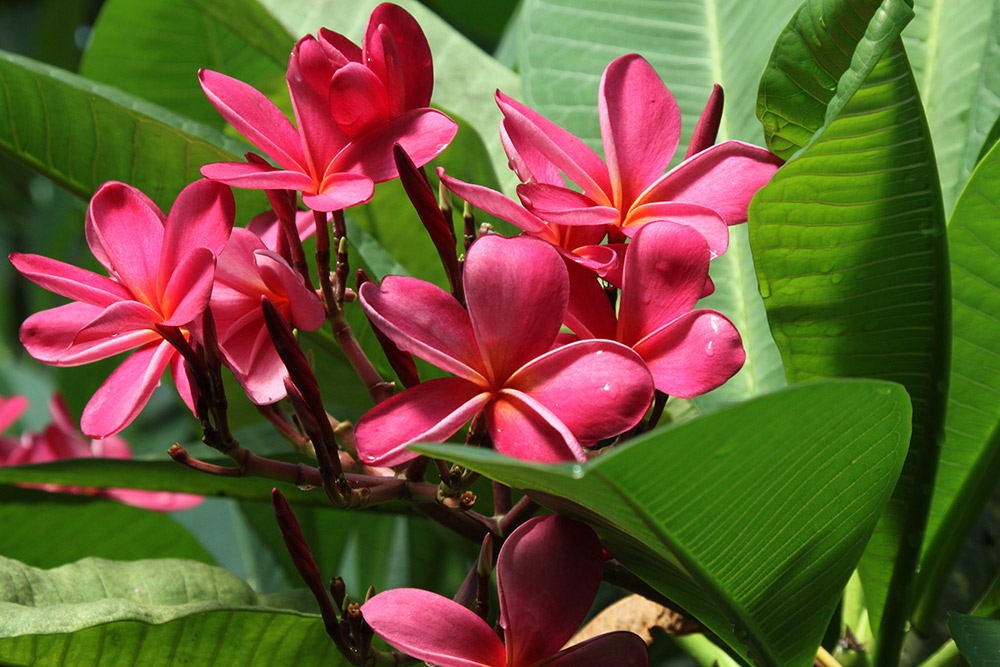
There is also a greenhouse within “Flower Fantasia”. Covering approximately 150 square meters, it houses a diverse collection of tropical plants, including the three sacred trees of Buddhism: the bodhi tree (Ficus religiosa), sal tree (Shorea robusta), and mukuroji tree (Sapindus mukorossi).
The photo shows the Jade Vine, which hangs its flower spikes 30–60 cm below and blooms with vivid emerald-green flowers. Native to tropical rainforests, this spectacular plant cannot be grown outdoors in Japan’s climate, making it a rare and popular attraction found only in greenhouses.
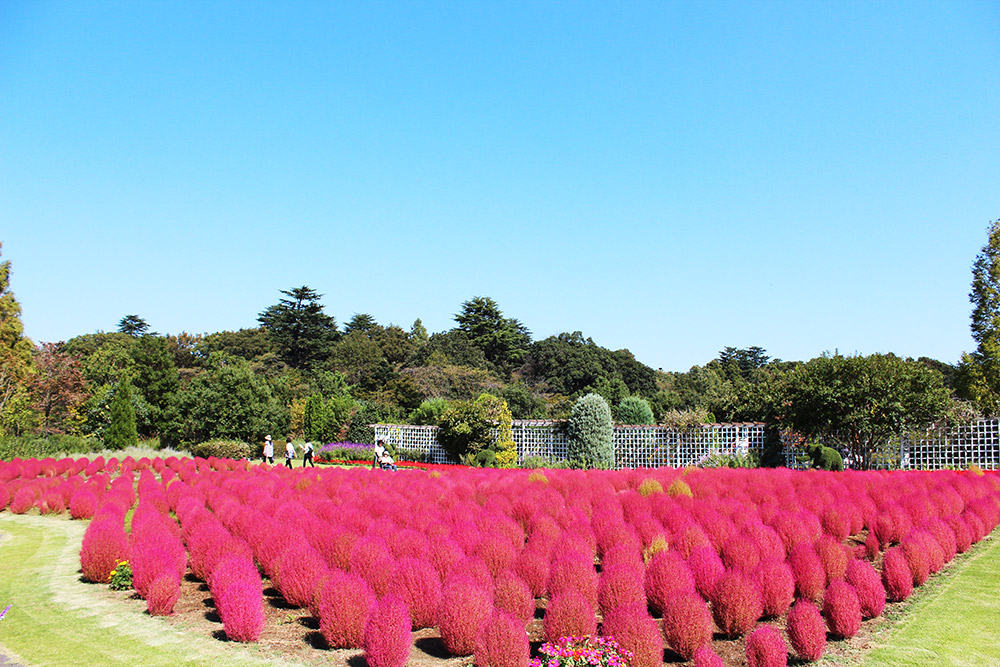
The border-style flower beds once planted with summer annuals are redesigned once again for autumn, this time featuring mass plantings of kochia. From mid to late October, the fluffy green mounds gradually transform into brilliant shades of glowing red. Their vivid color creates a stunning contrast against clear autumn skies. Around the same time, visitors can also enjoy the autumn roses blooming beautifully in the rose garden.
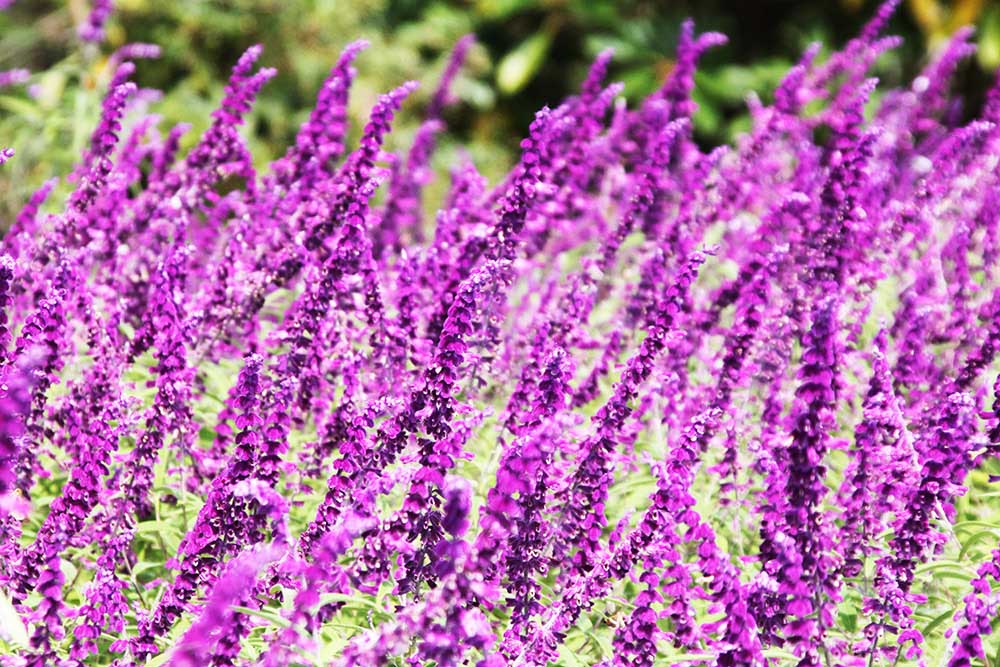
From mid-October to mid-November, Mexican bush sage reaches its peak bloom. Around 300 plants are grown across an area of approximately 100 square meters, creating a dynamic display as their long purple flower spikes sway gracefully in the breeze.
Shop for garden goods and local specialties
A popular spot with a waffle shop
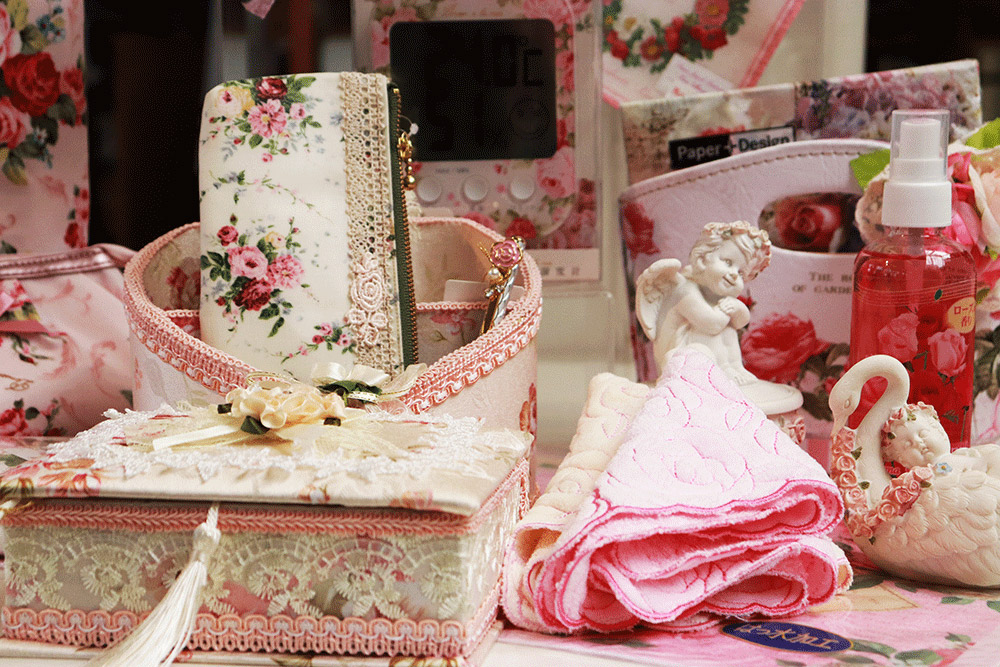
The Park also features a souvenir shop, well worth a visit.
Tucked quietly away on the north side is a charming single-story Japanese-style building that houses a specialty bubble waffle shop. Be sure to try the bubble waffles and gelato while you’re there.
Information
Shimizu Park Flower Fantasia
Address: 906 Shimizu, Noda-shi, Chiba / Japan
Call: +81-4-7125-3030
Domestic (Japan): 04-7125-3030
Official Website:
https://www.shimizu-kouen.com
Access:
【By public transportation】
10-minute walk from the west exit of “Shimizu-koen Station” on the Tobu Urban Park Line (Tobu Noda Line)
【By car】
・Approx. 12 km from the Nagareyama Interchange on the Joban Expressway via the Matsudo–Noda Road
・Approx. 12 km from the Kashiwa Interchange on the Joban Expressway via National Route 16
・Approx. 12 km from Koshigaya (National Route 4 area) via the Noda Highway
Opening Seasons (2026):
Spring 2/14(Sat)– 6/15(Mon)
Autumn 9/12(Sat)– 12/13(Mon)
Opening Hours:
・9:00 a.m.–5:00 p.m. (last admission 4:00 p.m.) — February–June, September–October
・9:00 a.m.–4:15 p.m. (last admission 3:30 p.m.) — November
・9:30 a.m.–4:15 p.m. (last admission 3:30 p.m.) — December
Admission:
【April–May】
Adults: ¥800
Elementary & Junior High School Students: ¥300
Seniors: ¥750
【Other Month】
Adults: ¥500
Elementary & Junior High School Students: ¥200
Seniors: ¥450
※Senior rates apply to visitors aged 65 and over (ID required).
Parking:
Available
・Up to 1 hour: ¥200
・1–2 hours: ¥400
・2–3 hours: ¥600
・Over 3 hours: ¥800
Note: Parking Lot No. 5 accepts cash only. All other parking lots accept credit cards, barcode payments, and electronic money.
Credit
Interview & Text / Osada Setsuko

Writer&Editor.
Specializes in lifestyle topics, focusing on gardening, interior design, and housing.
Became independent and started working as a freelancer after working for an editorial production company for about 10 years from 1994.
Enjoying gardening with balcony garden.
Translation / Garden Story Editorial Team
Follow our official SNS accounts
to receive the latest information!






Latest Articles
-
garden
Discover the Stunning European-Style Fountain Garden at Suma Rikyu Park
The Suma area has long been known as a place of relaxation and is home to historical sites dating back to the Heian period. Kobe Municipal Suma Rikyu Park (hereafter “Suma Rikyu Park”) was created on…
-
free garden
Discover the Stunning Flower Fields of Kurihama Flower Park
Kurihama Flower Park was developed by the City of Yokosuka as a relaxing retreat for local residents. In spring, its vast flower fields burst into bloom with one million poppies, while autumn brings …
-
garden
Discover Tropical Blooms at Okinawa Ocean Expo Park Tropical Dream Center
Located within Okinawa Ocean Expo Park, the orchid greenhouse at the Tropical Dream Center was renovated and reopened in February 2020. In addition to the orchid greenhouse, the center features two m…
Follow us


