
Gardens & Shops
Word Search
- Hokkaido
- Aomori
- Iwate
- Miyagi
- Akita
- Yamagata
- Fukushima
- Ibaraki
- Tochigi
- Gunma
- Saitama
- Chiba
- Tokyo
- Kanagawa
- Niigata
- Toyama
- Ishikawa
- Fukui
- Yamanashi
- Nagano
- Gifu
- Shizuoka
- Aichi
- Mie
- Shiga
- Kyoto
- Osaka
- Hyogo
- Nara
- Wakayama
- Tottori
- Shimane
- Okayama
- Hiroshima
- Yamaguchi
- Tokushima
- Kagawa
- Ehime
- Kochi
- Fukuoka
- Saga
- Nagasaki
- Kumamoto
- Oita
- Miyazaki
- Kagoshima
- Okinawa
- Abroad
Gardens & Shops
-
tokyo
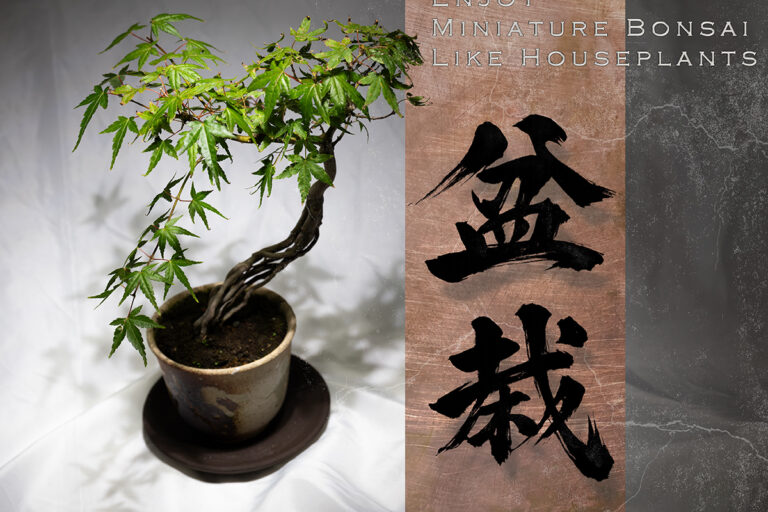
Love Houseplants? Discover the Appeal of Miniature Bonsai
If You Love Houseplants, You’ll Probably Love Bonsai, Too Bonsai Fits Beautifully into Modern Life When you hear the word “bonsai,” you may picture a pine tree displayed in the tokonoma alcove of a traditional Japanese room, or imagine an older enthusiast patiently tending a tree for years.But that image is gradually beginning to change.In recent years, small bonsai trees—which we’ll refer to as “miniature bonsai” throughout this article—have been appearing more frequently in cafés, select shops, and clothing stores. They are also attracting attention from people of all ages who want to bring these charming little trees into their own homes. Miniature bonsai aren’t limited to traditional Japanese spaces. They can blend beautifully into simple interiors and modern homes, too. In that sense, enjoying miniature bonsai has something in common with the way we enjoy houseplants, caudiciforms, and succulents.You can admire the shape and character of a tree while appreciating the subtle changes it goes through with the seasons.That time spent simply observing and caring for a tree is one of the great pleasures of bonsai.If you’ve always thought, “Bonsai looks difficult,” or felt that it was somehow too intimidating to get into, why not take your first step with a miniature bonsai small enough to fit in the palm of your hand?If you love houseplants, you’re sure to find something captivating about bonsai, too. So, What Exactly Is Bonsai? The Wabi-Sabi Aesthetic Expressed Through Bonsai Many people may think of bonsai simply as the art of growing trees in miniature.But the essence of bonsai is far more than that.Bonsai is a cultural art form that captures the beauty of nature and trees within a single pot.A solitary tree that has endured years of wind and snow along a mountain ridge. A tree spreading its branches wide over a rocky cliff. A tree adding brilliant autumn color to the banks of a mountain stream. Bonsai begins with observing trees in nature and then recreating those scenes within the confines of a pot.The true pleasure of bonsai lies in finding ways to express, within this limited space, the vitality of a living tree and the sense of age and history it carries—using techniques such as wiring and pruning.At the heart of this art is wabi-sabi, a Japanese aesthetic sensibility that has been cherished for centuries. It celebrates the beauty found in simplicity, imperfection, transience, and the passage of time. Bonsai: A Horticultural Tradition Passed Down for More Than a Thousand Years The roots of bonsai are generally traced back to penjing, an art form that originated in China.Penjing is the practice of creating and appreciating miniature landscapes in shallow containers, using elements such as trees, rocks, moss, and flowing water to recreate scenes from nature on a reduced scale.It was introduced to Japan during the Heian period (794–1185), where it gradually evolved into the bonsai culture we know today as it became intertwined with Japan’s own aesthetic sensibilities and distinctive view of nature. Penjing owned by an American collector. The main tree, or shuboku, is said to be approximately 80 years old. During the Muromachi period (1336–1573), bonsai was enjoyed primarily by samurai and Buddhist monks. By the Edo period (1603–1868), it had spread to the wider population alongside the growth of horticultural culture in Japan.From the Meiji period (1868–1912) onward, bonsai began receiving increasing recognition outside Japan as well. Today, the word “BONSAI” has become a truly international term, enjoyed by people around the world. Why “BONSAI” Is So Popular Around the World Today The bonsai culture that developed in Japan has now crossed borders and found enthusiasts around the world.Today, “BONSAI” is enjoyed not only as a traditional Japanese art form, but also as a form of interior greenery and a lifestyle choice.In fact, it is not uncommon to find bonsai displayed alongside houseplants at garden centers and flower shops across Europe. The photo above shows bonsai for sale at Avalon Plants, a garden shop in Amsterdam, the Netherlands.Seeing bonsai displayed alongside other plants like this makes it clear that they are no longer viewed as something particularly exotic or formal, but are increasingly appreciated as plants that can bring beauty and character to everyday life.Avalon Plants also holds monthly bonsai workshops, which are reportedly packed with participants every time.Bonsai has also been gaining popularity among younger generations in recent years. One factor behind this growing interest is the rise of social media, particularly Instagram.A search for #bonsai on Instagram brings up approximately 4.74 million posts!Bonsai enthusiasts around the world are constantly sharing beautifully photographed trees, along with glimpses of their cultivation and everyday care. As this kind of content continues to spread, the traditional image of bonsai as something “overly formal” or “difficult to care for” is gradually changing.Today, plant lovers around the world are discovering the appeal of BONSAI as living landscapes—plants that you can grow while enjoying the miniature scenery they create. A New Way In: Enjoying Bonsai Like Houseplants We’ve seen that bonsai has become popular around the world. But how can we, as houseplant lovers, discover the pleasure of bonsai for ourselves?To find out, we spoke with Masa Koike, owner of Koike Bonsai in Minami-Aoyama, Tokyo.Interestingly, Koike himself began as a houseplant enthusiast.Because he knows firsthand what makes houseplants so appealing, he has also discovered a unique perspective on what makes bonsai special—and how it can be enjoyed in a way that feels accessible to plant lovers. Masa Koike, owner of Koike Bonsai So, What’s the Difference Between Houseplants and Bonsai? Houseplants and bonsai have something important in common: both are about growing plants and enjoying them.But the way we appreciate them can be quite different.With houseplants, the focus is often on beautiful foliage and distinctive forms.With bonsai, however, it’s not just the leaves that matter. The thickness and movement of the trunk, the way the branches grow, and even the roots that emerge above the soil all become part of what we admire. The Roots, Trunk, and Branches All Become Part of the Artwork In the world of bonsai, the beautiful way a tree’s roots spread out in all directions from the base of the trunk is known as nebari.A strong, well-developed nebari evokes the image of a mature tree firmly rooted in the earth. It is one of the essential features of bonsai, conveying a sense of age, character, and vitality.The thickness and movement of the trunk, the way the branches extend, and even the arrangement of the foliage—all of these elements contribute to the overall character of a bonsai. Bonsai are also gradually shaped toward an ideal form through techniques such as pruning, which is used to control the number and placement of branches.In this way, bonsai offer something quite different from houseplants: the opportunity to appreciate not only the foliage, but also the roots, trunk, branches, and the refined overall form they create together. Houseplants Are Grown, While Bonsai Are Shaped Over Time Most houseplants sold at garden centers have already been beautifully grown and shaped so that they can be enjoyed as part of an interior.Once you bring one home, you can watch it grow and develop over time, but most houseplants do not undergo dramatic changes throughout the year.Bonsai, on the other hand, offer a different kind of experience. You can enjoy the seasonal changes—from the fresh emergence of new leaves in spring to autumn foliage and, in deciduous species, bare branches in winter—while gradually shaping the tree yourself and developing it into a one-of-a-kind bonsai.Even trees of the same species can look dramatically different after one year, three years, or ten years, depending on the person who grows and shapes them.And that is the beauty of bonsai: the time you spend nurturing a tree becomes part of its value, creating a story that belongs to that tree alone. Start by Choosing a Bonsai You Love After reading all this, you might be thinking, “Doesn’t bonsai sound pretty demanding? I’ve only ever grown houseplants—could I really do this?”It’s true that bonsai are trees, and because they are generally grown outdoors, caring for them involves some considerations that are different from those of houseplants.But when it comes to enjoying them as living works of art, smaller, more manageable bonsai offer plenty of flexibility. For example, you can bring one indoors and display it for a week or two, then move it back outdoors for a while. In this way, you can move your bonsai between indoors and outdoors as part of your everyday life. With larger bonsai, simply moving them between outdoors and indoors can be quite a chore. And every time you move them, there is always the risk of damaging or breaking a branch.That ease of handling is one of the biggest reasons miniature bonsai are worth considering for anyone who has already enjoyed growing houseplants.Of course, there are a few things to keep in mind when caring for bonsai. We’ll cover the details of cultivation later, but there’s no need to overcomplicate things at the beginning.Start by choosing a bonsai you love. When choosing a houseplant, many of us have picked one not simply because it was easy to grow, but because we thought, “That plant looks amazing,” or “I love the shape of this one.”Bonsai can be chosen in exactly the same way.Don’t worry too much about what you’re supposed to know at first. Follow your instincts and choose the one bonsai that speaks to you.Knowledge and skills will gradually come with the time you spend with that tree.First, find a bonsai that captures your attention and bring it home.That is the most natural way to begin your journey into the world of bonsai. What Kind of Bonsai Should You Choose for Your First Tree? 8 Miniature Bonsai Recommended by Masa Koike for Beginners All of the bonsai at Koike Bonsai are grown by Fukaya Negishien, a long-established bonsai nursery with a history spanning 150 years.As its directly operated shop, Koike Bonsai offers access to high-quality bonsai at accessible prices.Please note: The bonsai featured here are available for purchase exclusively at the Minami-Aoyama shop.⚠️ The condition and prices shown here were current at the time of our interview in June 2026. For current availability, please contact Koike Bonsai directly via DM.。 Kokedama Benishitan: Approximately 8 Years Old Height including saucer: 7.5 in (19 cm) / Maximum width: 5.5 in (14 cm) / Price: ¥4,950 (tax included) The Kokedama Benishitan combines a rounded ball of moss with a roughly eight-year-old Benishitan (Cotoneaster horizontalis), creating a charming little bonsai packed with years of growth and character.The white pebbles around the base add a refreshing touch, bringing a cool, airy feeling to the display during Japan’s hot summer months.Its clean, modern appearance blends beautifully into contemporary interiors, while its compact size doesn’t keep it from making a strong visual impression. Japanese Maple: Approximately 8 Years Old Height including pot: 9.8 in (25 cm) / Maximum width: 9.8 in (25 cm) / Price: ¥6,160 (tax included) The Japanese maple is striking for its upright trunk, evoking the image of a miniature forest in the making. The contrast between its vibrant blue pot and fresh green foliage creates a sophisticated display that sits beautifully in both Japanese and Western-style interiors.With around eight years of growth behind it, this little tree brings a sense of natural scenery into everyday life, along with a refreshing touch of seasonal change. In autumn, enjoy the fiery red foliage with a glass of sake. 🍶 Murasaki Tosho: Approximately 12 Years Old Height including pot: 10.2 in (26 cm) / Maximum width: 5.5 in (14 cm) / Price: ¥9,350 (tax included) The Murasaki Tosho is striking for its powerful, gracefully tapered trunk and dense, beautifully developed foliage—features shaped by some 12 years of growth. Paired with its warm-toned ceramic pot, the tree has a wonderfully understated character that feels both comforting and refined.Simply placing this bonsai in your living space allows you to gradually appreciate the depth and quiet beauty of a truly mature bonsai. Seen from the back. Keyaki(Japanese Zelkova): Approximately 25 Years Old Height including pot: 8.7 in (22 cm) / Maximum width: 7.7 in (19.5 cm) / Price: ¥11,000 (tax included) The Keyaki(Japanese zelkova) is captivating for its beautifully developed form and exceptionally dense foliage, the result of approximately 25 years of growth.The traditional patterns of its blue-and-white sometsuke ceramic pot beautifully complement the lush green foliage, giving the tree an elegant and refined presence.Within this small pot, you can glimpse the presence and character of a magnificent old tree. Iwa Shide: Approximately 18 Years Old Height including pot: 15.0 in (38 cm) / Maximum width: 15.7 in (40 cm) / Price: ¥11,000 (tax included) The Iwa Shide draws the eye with its beautifully weathered trunk, shaped by approximately 18 years of growth. Its pale trunk curves gracefully like the flow of a river, while the delicate branches spread outward in elegant arcs, creating an almost painterly composition.Despite its compact size, this bonsai has the presence and character of a much more substantial, mature tree. Shimpaku Juniper: Approximately 18 Years Old Height including pot: 11.8 in (30 cm) / Maximum width: 9.4 in (24 cm) / Price: ¥16,500 (tax included) The Shimpaku juniper is striking for its beautifully aged-looking trunk and densely packed foliage, both shaped by approximately 18 years of growth. Its powerful presence evokes the story of a tree that has endured the harshness of nature over many years, bringing a refined sense of traditional Japanese character to both Japanese and Western-style interiors.Despite its compact size, this bonsai has a strong and unmistakable presence. The most distinctive feature of this tree is the area of deadwood on its trunk known as shari (shown in the photo above).Shari recreates the appearance of naturally weathered deadwood, where parts of a tree’s trunk or branches have died and lost their bark after enduring harsh environmental conditions. In bonsai, this effect can be deliberately created by hand, often with the tree’s future appearance in mind many years ahead.The ability to create and develop shari in a way that looks natural is a true testament to the skill and artistry of a bonsai craftsman. Shimpaku Juniper: Approximately 20 Years Old Height including saucer: 7.9 in (20 cm) / Maximum width: 7.9 in (20 cm) / Price: ¥18,700 (tax included) The Shimpaku juniper embodies approximately 20 years of growth within a tree that stands just 20 cm tall. Its dignified trunk and densely layered foliage come together to create a quiet beauty infused with the spirit of wabi-sabi.Despite its small size, this bonsai has an exceptional presence. Simply placing it in a room brings a sense of depth, atmosphere, and tranquility to the space. Heart-Shaped Goyoh-matsu(Japanese Black Pine): Approximately 15 Years Old Height including pot: 7.1 in (18 cm) / Maximum width: 5.7 in (14.5 cm) / Price: ¥17,600 (tax included) The Heart-Shaped Goyoh-matsu(Japanese Black Pine) is exactly what its name suggests: a charming little tree whose trunk rises from a rounded black pot and curves into the shape of a heart.It took approximately 15 years for a bonsai craftsman to shape this tree, adding a playful touch to the traditional elegance of the Japanese black pine.The refined character of this classic bonsai and the sweetness of its heart-shaped form come together beautifully, adding a warm and cheerful accent to any space.It would make a wonderful gift for someone special—or a well-deserved treat for yourself. ▼A Little More: ⚖️【What Determines the Price of a Bonsai?】 Many people may have the impression that “bonsai are expensive.” Of course, exceptional bonsai that have been cultivated for decades or even centuries can command very high prices. However, small bonsai for beginners—often called miniature bonsai—can also be found for just a few thousand yen. So, what actually determines the price of a bonsai? According to Masa, the value of a bonsai is not determined by its age alone. Factors such as the thickness and strength of the trunk, the natural shape of the tree, the nebari (surface roots), the arrangement of the branches, and how well the tree harmonizes with its pot are all taken into consideration. As a result, it is not unusual for bonsai of the same species to vary considerably in price. For example, the “Heart” Japanese white pine featured above was carefully shaped by a skilled bonsai artist over many years to create its distinctive heart-shaped trunk. Even a miniature bonsai can be worth tens of thousands of yen, depending on the species and the techniques used to create it. Practical Guide | Getting Started with Miniature Bonsai: What Should Beginners Do First? Start by Buying One: Where Can You Buy Miniature Bonsai? Here in Japan, miniature bonsai can be purchased from specialty bonsai shops such as Koike Bonsai, as well as from large garden centers, the gardening sections of home improvement stores, and local plant shops.These stores often offer bonsai at affordable prices, although the selection of species tends to be somewhat limited.Bonsai specialty shops, on the other hand, generally offer a much wider range of species, along with the high level of quality you would expect from a specialist.While prices may not be as low as those at home improvement stores, many specialty shops offer plenty of bonsai in the ¥5,000–¥6,000 range, with many options under ¥10,000. This makes it relatively easy for beginners to find a tree that fits their budget. With bonsai enjoying a growing international following, you may well find garden centers or plant shops selling bonsai in your home country, too.However, if you ever have the chance to visit Japan, I recommend visiting a bonsai shop in person and choosing a tree with your own eyes—taking in its overall form, the character of its trunk, and the impression it gives you.That’s because one of the great appeals of bonsai is that even trees of the same species can have completely different personalities from one another.If you’re visiting Japan and aren’t sure whether there’s a bonsai specialty shop nearby, try searching for terms such as “bonsai shop Tokyo” or “bonsai shop Osaka,” replacing the city name with wherever you happen to be staying.Bonsai masters and specialist nurseries can be found throughout Japan, so you may be surprised to discover a bonsai shop closer than you expected. Of course, bonsai can also be purchased online.Today, it’s easy to find bonsai through peer-to-peer marketplaces such as eBay, Facebook Marketplace, Vinted, and PlantSwap. However, when buying online, I personally recommend choosing an e-commerce shop run by a specialist houseplant or tree nursery.Many of these sellers can provide advice on the characteristics and care requirements of individual species, which can give you greater peace of mind after your purchase. Can I Take a Bonsai Home from Japan? When visiting Japan, you may find a bonsai you love and think, “I want to take it home with me!”However, if you plan to take a bonsai overseas, plant quarantine regulations vary depending on the country you are traveling to.Depending on the country and species, you may need an import permit or a Phytosanitary Certificate, and in some cases, bonsai planted in soil may not be allowed to enter the country. For this reason, before purchasing a bonsai, it is important to check the requirements with both the plant quarantine authority in your home country and Japan’s Plant Protection Station.If an export inspection is required on the Japanese side, you will need to have the bonsai inspected by a Plant Protection Station before leaving Japan. As the process can sometimes take time, it is best to check the requirements as early as possible—ideally before you purchase the tree.After all, you wouldn’t want to find the perfect bonsai in Japan only to discover that you can’t take it home!To avoid the disappointment of buying a bonsai and then being unable to bring it back with you, be sure to check the requirements before making your purchase.Please note: Import requirements vary by country, region, and plant species, and they may change over time. Always check the latest information with the relevant plant quarantine authority in your home country and Japan’s Plant Protection Station. Essential Bonsai Basics to Know First Where to Place Your Bonsai and How Much Sun It Needs Bonsai are plants that are generally best grown outdoors. Exposure to natural conditions such as wind, rain, and sunlight helps keep them healthy and vigorous.That said, when it comes to miniature bonsai, younger trees are generally quite adaptable, so they can also be brought indoors and enjoyed for a few days to a week or two at a time.Indoors, place your bonsai somewhere bright and well ventilated during the day.You can also use a plant grow light and a small air circulator to recreate outdoor conditions as much as possible, helping your bonsai stay healthier while indoors. Using a plant grow light as part of your display lighting is a great way to combine growing support with visual appeal. You can also place an empty frame or similar object behind the bonsai to make it look like a three-dimensional painting.The light shown here is BRIM’s “FLORA”. A pine bonsai viewed through a window from outdoors seems to take on an almost extraordinary sense of elegance. After enjoying your bonsai’s seasonal changes in the living room, entryway, study, or another part of your home, move it back outdoors so it can once again benefit from plenty of sunlight and fresh air. A good rule of thumb: If you keep your bonsai indoors for one week, give it about two weeks outdoors afterward. If you keep it indoors for two weeks, give it about three weeks outdoors. In other words, try to make sure that outdoor time outweighs indoor time. Outdoors, a bright location with good air circulation is generally ideal.However, summers have become increasingly hot in recent years, with periods of extreme heat becoming more common. Because miniature bonsai vary in their tolerance for heat🥵, using a shade net during July and August can help protect them from intense sunlight, excessive heat buildup in the pot, and leaf scorch. This is especially important for deciduous trees such as Japanese maples, as leaf scorch can sometimes prevent them from developing beautiful autumn colors.When you purchase a miniature bonsai, be sure to ask about its specific care requirements and provide an environment suited to that particular species. Watering One of the most important aspects of bonsai care is watering.Because miniature bonsai are grown in small pots with a limited amount of soil, they tend to dry out more quickly than plants grown in larger containers.The key is to check the condition of the soil and water when necessary.Ideally, the soil should be slightly moist, but never constantly wet or soggy. The same applies when the surface of the soil is covered with moss. 💦 Thoroughly wet → partially dry → 💦 thoroughly wet → partially dryThis cycle is the key to successful watering. When watering, give the bonsai a thorough soaking until water runs freely from the drainage holes at the bottom of the pot.Rather than giving it just a small amount of water, make sure to thoroughly wet the leaves, branches, and trunk, while also allowing water to reach the entire root zone.Many people are away from home during the day for work or other commitments. In that case, it is a good idea to water thoroughly in the morning and make a habit of checking the soil again when you return home.During periods of extreme summer heat, especially when your bonsai is kept outdoors, it may even need another watering during the cooler hours of the evening. How often you need to water depends greatly on the species, season, and weather.In spring and autumn, once a day may be a useful guideline, while in winter, watering once every few days may be sufficient.Instead of thinking, “need to water every day,” think, “need to check the soil every day.”That simple change in mindset is one of the secrets to keeping your bonsai healthy.For houseplant enthusiasts who are accustomed to being told to “water sparingly,” this may be the most confusing part at first.You might initially think, “Checking my bonsai every day sounds like a lot of work.”But in reality, there is something surprisingly enjoyable about taking a moment to check how dry the soil is and then giving the tree a thorough drink when it needs one.Once you start enjoying it, watering stops feeling like a chore and becomes an important moment of connection with your tree. 😊 Fertilizing Just like other plants, bonsai need fertilizer during their growing season.Providing nutrients at the right time helps support healthy leaves and branches while maintaining a beautiful shape.In general, the fertilizing season begins in spring, when new growth starts to emerge, and continues through around autumn, when growth begins to slow down.However, fertilizer should generally be withheld during the peak of summer, when temperatures inside the pot can become extremely high, and during winter, when growth is largely dormant, to reduce stress on the roots.Traditional bonsai are often fertilized with organic fertilizers known as “tama-goe,” small, solid pellets made from organic materials.However, organic fertilizers can sometimes attract insects and produce an unpleasant odor. For miniature bonsai that you plan to enjoy indoors, an easy-to-use slow-release fertilizer in tablet form can be a good place to start. If you are growing bonsai in Japan, we recommend Ado Ball Ca, a popular Japanese fertilizer that can also be used for bonsai. Tablet fertilizers can simply be placed around the edge of the pot. Another option, as shown above, is to place them inside a fertilizer holder, which is available through Amazon Japan and other retailers. Similar products are likely to be available in other countries as well.These fertilizer holders help prevent the fertilizer from being washed out of the pot when you water. They keep the tablets in place so they can gradually dissolve, allowing the nutrients to be released where they are needed.More fertilizer is not necessarily better.The goal of bonsai is not to make the tree grow as large as possible, but to maintain a beautiful form while enjoying the tree for many years.Always follow the recommended dosage and application frequency indicated on the product, and be careful not to overfertilize.Keep in mind that the timing and amount of fertilizer needed vary depending on the species.When purchasing a bonsai, ask about its specific care requirements and make sure to provide conditions suited to that particular species. Winter Care Miniature bonsai are grown in small pots, so it is easy to think, “It must be cold out there—perhaps I should bring it indoors.”However, bonsai such as Japanese black pine, Japanese maple, Japanese zelkova, and Shimpaku juniper, which are naturally suited to Japan’s climate, should generally spend the winter outdoors. In fact, most of these trees need to experience winter temperatures in order to enter dormancy and prepare for new growth in spring.That said, if you live in an area where severe cold snaps, snow, or prolonged periods of cold, dry winds are common, it is a good idea to move your bonsai to a sheltered location, such as beneath an eave, where it is protected from the wind.Tropical species, such as Ficus microcarpa (ginseng ficus), are a different story. Because they are sensitive to cold, they should be brought indoors for the winter and kept in a bright location. Other Essential Care Pruning Pruning a bonsai is about more than simply keeping the tree healthy.Removing overcrowded branches improves air circulation and allows more light to reach the foliage. But just as importantly, pruning is a key part of developing the tree into the shape you envision—deciding which branches to encourage and which ones to remove.If pruning houseplants is primarily about keeping them healthy and vigorous, pruning bonsai could be described as keeping the tree healthy while shaping it into a beautiful form.Below, I’ll show you how I actually pruned one of my own bonsai, with step-by-step photos. ✂️Real-Life Pruning Example ▼A Little More ✂️: Real-Life Pruning Example Pruning can dramatically change the shape of a bonsai depending on where each branch is cut, so seeing the process with photos makes it much easier to understand. For detailed instructions and step-by-step photos, please visit the original GARDEN STORY article and use your browser’s built-in translation feature. ▶ Read the full pruning guide Repotting Miniature bonsai need to be repotted regularly because their small pots leave limited room for the roots, which can quickly fill the container.Depending on the species and growing conditions, repotting every two to three years is generally a good guideline.Repotting involves more than simply replacing the old soil with fresh potting mix. When necessary, the roots are also pruned to remove excess growth and keep the root system manageable within the limited space of the pot.This is an important part of maintaining healthy roots while preserving the tree’s beautiful form in a small container.When repotting, the choice of pot also depends on your goals. If you want the tree to grow larger, you can move it into a slightly larger pot. If you want to maintain its current size, you can simply prune and tidy the roots and return the tree to its original pot.The timing and method of repotting vary depending on the species, so it may seem a little intimidating at first.For a more detailed look at the process and some practical tips, check out the step-by-step repotting guide below, based on a repotting job I carried out myself. 🪴♻️ Repotting Guide ▼A Little More: 🪴♻️ Repotting Guide Repotting involves several steps, including trimming and organizing the roots, replacing the potting mix, and securing the tree in its new pot, so it can be a little challenging for beginners. Seeing the process with photos makes it much easier to understand, so for detailed instructions, please visit the original GARDEN STORY article and use your browser’s built-in translation feature. ▶ Read the full repotting guide 🟢For bonsai purchased from Koike Bonsai, repotting services are also available for an additional fee. Common Mistakes Beginners Should Avoid Letting the Bonsai Dry Out One of the things that often surprises people who are used to growing houseplants is just how small a bonsai pot can be.Because the goal of bonsai is not to let the tree grow as large as possible, trees are kept in relatively small pots to restrict root growth and maintain their desired form.A small pot also means less soil, and especially from spring through summer, the soil can dry out much faster than you might expect. This is particularly true of miniature bonsai.If the soil dries out completely, it can cause serious stress and damage to the tree. So, as explained in the Wateringsection above, be sure to follow the basic watering guidelines and, above all, don't let your bonsai dry out completely. Growing Your Bonsai Exclusively Indoors Miniature bonsai can certainly be brought indoors and enjoyed as part of your interior, but bonsai are fundamentally outdoor-grown trees, regardless of their size.If kept indoors for extended periods, they can gradually lose vigor due to insufficient light and poor air circulation. Unlike houseplants, even adding a plant grow light does not make indoor conditions a substitute for growing bonsai outdoors.Grow lights are extremely useful for supporting plant growth, but bonsai are adapted to natural conditions that include not only light, but also wind, rain, and seasonal changes in temperature.For this reason, relying solely on a grow light while keeping a bonsai indoors for long periods can eventually cause the tree to lose vigor.As mentioned earlier in Where to Place Your Bonsai and How Much Sun It Needs, the key to enjoying miniature bonsai for years to come is to balance indoor display with regular periods of outdoor care.One more thing to keep in mind: entryways are often poor locations for bonsai because they tend to have limited sunlight and little air circulation.Even if an entryway looks bright to us, the amount of light may still be insufficient for a plant. For this reason, an entryway is generally not recommended as a long-term location for your bonsai. Being Too Overprotective Another common beginner mistake is giving your bonsai more attention than it actually needs, simply because you care about it so much.Watering repeatedly when the soil is already sufficiently moist, or applying too much fertilizer, can actually put unnecessary stress on the tree. With miniature bonsai, the ideal approach is to observe your tree a little each day and give it attention when it actually needs it. A little distance is often best.What matters most is taking the time to simply look at your bonsai and think, “How are you doing today?” Why Not Have Some Fun with Bonsai? You don't have to aim for perfection from the very beginning.There is no need to take it too seriously or feel like you have to “start doing bonsai.” Instead, why not think of it simply as a different way to enjoy plants—something a little different from your usual houseplants?That might just be the perfect way to get started. Masa Koike on Bonsai: “A Hobby You Can Share Your Life With” A Plant That Lets You Experience the Seasons “Bonsai aren't plants you simply take care of. They are plants you live alongside, in harmony with nature.”That is how Masa puts it.In spring, new buds emerge. In summer, the foliage becomes lush and full. In autumn, the leaves turn brilliant colors, and in winter, deciduous trees shed their leaves and enter dormancy.Watching the seasons unfold within a single pot can bring a sense of the changing seasons into our busy everyday lives, Masa says.His wife feels the same way. When she waters the bonsai in the morning, she often pauses to look at the trees and finds a sense of calm in observing the subtle changes that come with each season. A Plant That Carries History Forward Masa also describes the appeal of bonsai in a single word: “time.”A bonsai is not something that can be completed overnight. You gradually shape and care for it while imagining how it will look years down the road.That passage of time itself becomes part of the value of each tree.It is not unusual for miniature bonsai to be 10 or even 20 years old, while larger bonsai can be 50 or even more than 100 years old. But even those majestic, time-honored bonsai were once small trees that someone began nurturing—a miniature bonsai, just like the one you may be caring for today.The miniature bonsai you are tending now may one day be passed down to your children and grandchildren after decades of growth.Perhaps, when your grandchild reaches the age you are today, that same tree will still be there, displaying its beautiful form just as it does now.“Bonsai are plants that carry history forward.”Those words from Masa stayed with me. 【COLUMN】Why Did a Café in Minami-Aoyama Start a Bonsai Shop? We’ve heard from Masa about what makes bonsai so fascinating. But there is an interesting story behind Koike Bonsai itself.The shop is actually located outside little pool coffee, the café run by Masa in Minami-Aoyama, Tokyo.A cup of coffee in hand, bonsai trees all around you. ☕️😌This slightly unexpected yet wonderfully relaxing space reflects Masa’s unique approach to plants—and perhaps even his outlook on life.So, why did a café owner decide to start a bonsai shop?The answer lies in the rather unexpected story of one plant lover’s journey. Masa and his wife, Yuko The Story Behind little pool coffee A café owner running a bonsai shop? There’s actually a little more to the story. Masa’s main profession is as a hairstylist!For 20 years, he has also run the hair salon CHERISH at the same location, building long-standing relationships with his clients.The salon is still operating behind the bonsai shop today, although it now accepts clients by referral only.Back then, there was no wall separating the salon from what would eventually become the café—the entire floor was used as a hair salon.But after several of his staff members eventually left to open their own salons, Masa had an idea about ten years ago. He turned to his wife and suggested, “Why don’t we put up a wall and try running a café in the space that’s opened up?”His wife, who was a full-time homemaker at the time, was surprised by the idea. But with their children reaching an important milestone in their lives, she decided to give it a try. And that was how little pool coffee was born.Initially, the café focused mainly on coffee. But two years later, they added their signature “fluffy, melt-in-your-mouth” omurice, which quickly became a sensation.Today, the café is known for its omurice, attracting visitors from all over Japan.Later, Masa became increasingly fascinated by bonsai, which he had initially taken up as a hobby. Wanting to share its appeal with more people, he began selling bonsai right outside the café.Today, Masa runs the bonsai shop while his wife primarily manages little pool coffee, and together they continue to create a space where each of them can bring their own passions to life.Admiring bonsai while surrounded by the aroma of freshly brewed coffee…That uniquely relaxing experience at little pool coffee is something that grew naturally out of the life the couple have built together. Discovering Bonsai and Connecting with Bonsai Artists Interestingly, Masa himself is still relatively new to the world of bonsai.But his interest in plants didn’t begin with bonsai. In fact, there used to be a plant shop right across from little pool coffee. It was through that shop that Masa first became interested in plants, and at the time, he was fascinated by bizarre plants, including staghorn ferns.“I’ve always been drawn to plants with unusual shapes.”That curiosity eventually led him naturally toward bonsai.“There was no particular reason. Before I knew it, I just couldn’t stop thinking about getting a bonsai.”So he made the trip to Ueno and bought his very first tree, a Japanese black pine (pictured below).But once he brought it home, he says he spent quite a while simply staring at it and laughing to himself: “Okay… now what am I supposed to do with this thing?!”As he began researching how to care for it and getting hands-on experience, his preconceived notion that bonsai was a “conservative and difficult” pursuit gradually began to change.Driven by his natural curiosity and willingness to take action, Masa started visiting bonsai nurseries and meeting more and more bonsai growers and craftsmen, including Fukaya Negishien, which is now one of his main sources for bonsai.“Everyone I’ve met has been incredibly warm and gentle.”Regardless of age or position, they are happy to talk about plants and generously share their knowledge and techniques. Every time Masa experiences their warmth and generosity, he says, he gains a deeper appreciation for the richness of bonsai culture.“The passion of the younger bonsai artists always inspires me.”That first bonsai brought Masa more than just a new plant to care for. It also opened the door to a whole new world of people and connections. 🎤【We Asked His Wife】 So, how does Yuko feel about her husband’s love of bonsai? “I guess houseplants just weren’t enough for him. He’s a hairstylist, so I think he enjoys working with his hands and putting a lot of care into things. (laughs)” By the way, Yuko herself is a big fan of cacti and succulents. 🌵 Why Sell Bonsai Outside a Café? “Why did you decide to start selling bonsai outside the café?”When I asked Masa that question, he smiled and replied:“I started because I wanted to. That’s really all there was to it.”He worked as a hairstylist, opened a café, discovered plants, and eventually became fascinated by bonsai.None of these steps were part of some grand business plan. Instead, little pool coffee and Koike Bonsai grew naturally from Masa simply following his curiosity and doing what he felt drawn to at each stage of his life.Perhaps that same way of living is what gives this place its uniquely warm and relaxed atmosphere. Masa’s Vision for the Future: A Bonsai Café “If something doesn’t sound interesting, I don’t want to do it in the first place.”From a hair salon to a café, and then to bonsai.At the heart of it all has always been the same sense of curiosity—the feeling that something might be “interesting.”Now that the café is firmly established, Masa hopes to make bonsai, one of Japan’s most treasured horticultural traditions, more approachable and share its appeal with an even wider audience.For now, the bonsai are mainly displayed and sold outside the café. But in the future, Masa hopes to create a dedicated display and retail area inside the café, bringing coffee and bonsai together in an even more natural way.Whether that eventually takes the form of a “bonsai café” or something entirely new, even Masa doesn’t know yet. “I just follow the flow and wherever my instincts point me.”With Masa and his wife following their curiosity in that spirit, I have a feeling they’ll continue to come up with “interesting things” that go beyond anything we could imagine. A Message from Masa and Yuko to Bonsai Lovers Around the World × 【What Determines the Price of a Bonsai?】 Many people may have the impression that “bonsai are expensive.” Of course, exceptional bonsai that have been cultivated for decades or even centuries can command very high prices. However, small bonsai for beginners—often called miniature bonsai—can also be found for just a few thousand yen. So, what actually determines the price of a bonsai? According to Masa, the value of a bonsai is not determined by its age alone. Factors such as the thickness and strength of the trunk, the natural shape of the tree, the nebari (surface roots), the arrangement of the branches, and how well the tree harmonizes with its pot are all taken into consideration. As a result, it is not unusual for bonsai of the same species to vary considerably in price. For example, the “Heart” Japanese white pine featured above was carefully shaped by a skilled bonsai artist over many years to create its distinctive heart-shaped trunk. Even a miniature bonsai can be worth tens of thousands of yen, depending on the species and the techniques used to create it. × For this example, I bought a bonsai for just ¥980 at a home improvement store and decided to give it a little pruning. Let’s see what we can do. The species is Yatsubusa-shimotsuke (Spiraea japonica), a deciduous shrub in the rose family (Rosaceae). It produces small, densely clustered white to pink flowers from May through July. The branches on this particular tree have been left to grow freely, so I’m going to prune it to improve airflow through the canopy, encourage new growth, and start shaping the branches with its future form in mind. To start with, I’ll simply cut back the branches that are sticking out. I’ll also remove damaged leaves, but I’ve decided not to prune too aggressively, as excessive pruning can apparently weaken the tree. That said, while pruning can temporarily weaken the tree, the act of pruning itself—in this case, more precisely, leaf pruning—also provides stimulation that can encourage new growth. So, in principle, it is a positive thing to do. Still, I’m a complete beginner myself, so I’m a little nervous about taking too much off... 😨 Part of the roots is exposed, so I decided to shape the tree this way, hoping to eventually develop more branches and foliage in that direction. See? It can make quite a difference, can’t it? × Earlier, in the “Pruning” section, I pruned this tree myself. Now I’m going to repot it into a shallow, unglazed bonsai pot. There’s no way to know whether this particular Yatsubusa-shimotsuke is actually ready for repotting without checking its roots, but for the purposes of this experiment, let’s give it a try. ▶️STEP 1: What You’ll Need for Repotting Starting from the bottom left and moving clockwise: 1.5 mm-diameter aluminum wire, 2 mm-diameter aluminum wire cut to approximately 7 cm lengths, a drainage mesh, a shallow bonsai pot for repotting, the tree to be repotted, bonsai soil, pumice, a scoop, a fork for loosening the roots, a chopstick for filling gaps in the potting mix, gardening shears, and needle-nose pliers. ⸻ ▶️STEP 2: Attach the Wire to the Drainage Mesh Bend the approximately 7 cm-long piece of aluminum wire into a U-shape using needle-nose pliers, and use it to secure the mesh to the pot. Insert the wire through a well-balanced spot in the mesh, then bend the ends outward into a V-shape on the underside of the pot to secure it. ⸻ ▶️STEP 3: Thread the Tree-Fixing Wire Through the Pot Next, thread the thinner 1.5 mm wire through the dedicated “wire holes” in the shallow bonsai pot. Just as before, bend the wire into a U-shape and thread it through from the outside. ※If the pot does not have dedicated wire holes, thread the wire through the drainage hole and through the mesh. It should look something like this. ⸻ ▶️STEP 4: Tidy Up the Roots Push through the drainage hole in the bottom of the pot to loosen the tree and remove it from the pot. If it doesn’t come out easily, use a butter knife or something similar to separate the pot from the soil, which should make removal easier. If the roots are densely packed and filling the pot, that’s a good indication that it’s time to repot. In that case, use the fork to gently loosen the roots. However, the roots of this tree are not yet at the ideal stage for repotting. Since this is just a trial repotting, though, I’m going to continue, gently removing the soil by hand and tidying up the roots without putting unnecessary stress on them. As a general rule, the amount of roots pruned should roughly correspond to the amount of branches and foliage removed during pruning. However, the roots of this tree still appear relatively underdeveloped, and cutting away too many could potentially kill the tree. So, I’m only removing the exposed roots highlighted in red in the photo above. Root pruning should be done carefully like this, taking the overall condition of the tree into consideration. Much tidier. ⸻ ▶️STEP 5: Add Pumice and Prepare the Base Add a layer of pumice to improve drainage. For this pot, I’m using a No. 4 pot (12 cm in diameter) and pumice with particles measuring 5–6 mm. ⸻ ▶️STEP 6: Position the Tree and Secure It with Wire Position the tree while imagining how you want it to grow in the future. With ordinary plants, you would generally place the plant vertically in the center of the pot, but with bonsai, you’re free to get creative with the placement. 👌🏻 This time, I’m placing it at a slight angle and want to encourage the branches to grow toward the exposed roots, so I’ll start by adding soil to just one side of the pot. I’m positioning it at an angle like this. Now secure it with the wire. That’s right—the purpose of this wire is to firmly anchor the tree in the pot, even when it’s positioned off-center like this. The key is to tie the wire tightly enough that you might think it’s a little too tight, so the roots are held firmly in place and the tree doesn’t wobble. ⸻ ▶️STEP 7: Add the Potting Mix Once you’ve added the potting mix evenly, use a chopstick or similar tool to work around the edges of the pot and fill any gaps. ⸻ ▶️STEP 8: Watering Water thoroughly, until water flows freely from the drainage holes at the bottom of the pot. The first water may run brown, so keep watering until it runs relatively clear. Don’t forget to mist the foliage as well. ⸻ That’s it! 👍🏻 What do you think? It looks much more like a bonsai than it did before, doesn’t it? I’ll shape it through future pruning so that the branches develop toward the left. If moss eventually grows around these exposed roots, it should become an even more photogenic miniature bonsai. × So, what does his love of bonsai look like from his wife’s perspective? 👩🏻🦰 “Maybe houseplants just weren’t enough for him? He’s a hairstylist, so I guess he just likes having something to work on.🤣” By the way, Masa’s wife is also a big fan of cacti and succulents. 🌵
-
kanagawa
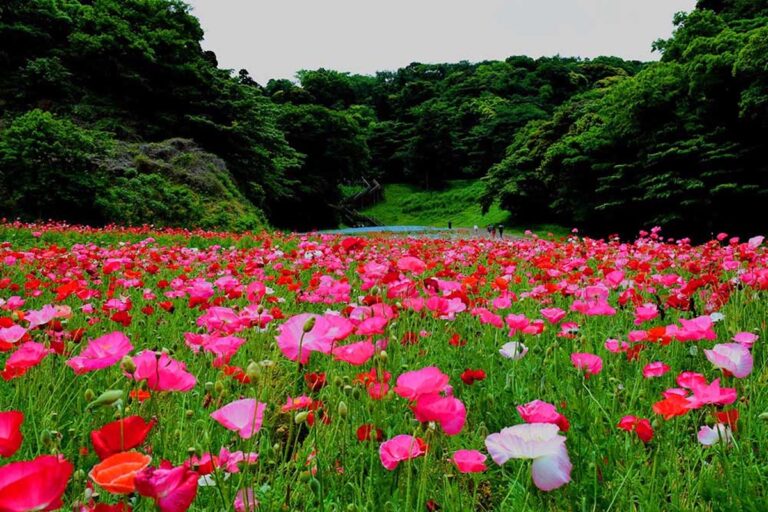
Discover the Stunning Flower Fields of Kurihama Flower Park
Breathtaking Flower Fields Against a Satoyama Backdrop Opened by the City of Yokosuka in 1984 as Kurihama Ryokuchi (Kurihama Green Space), the park was renamed Kurihama Flower Park in 1997. Since then, it has remained a beloved place of relaxation and recreation for local residents. Covering approximately 583,000 square meters (144.1 ac), the park is so expansive that it takes around two hours to explore on foot. Surrounded by lush “satoyama” woodlands, the park makes full use of its rolling terrain and vast grounds to create sweeping floral displays that blend harmoniously with nature. In spring, breathtaking flower fields burst into bloom with rapeseed flowers, nemophila, poppies, and agrostemma. With sunflowers in summer and cosmos in autumn, visitors can enjoy a carpet of flowers throughout the year. The park also features a greenhouse of more than 50 tsubo (1,778sq ft), where visitors can enjoy a variety of tropical plants, including flame vine (Pyrostegia venusta), bird of paradise (Strelitzia reginae), plumeria, shrimp plant (Justicia brandegeeana), and weeping fig (Ficus benjamina). In addition to its seasonal flower displays, the park also features a herb garden with approximately 80 species and 7,500 plants, as well as a camellia garden boasting a collection of 200 varieties, the garden offers plenty to see beyond its seasonal flower fields. Cosmos-kan, the park’s gift shop, is open daily from 10:00 a.m. to 4:00 p.m. (closed only during the New Year holiday period). Visitors can shop for local specialty sweets and souvenirs, as well as enjoy soft-serve ice cream. Kurihama Flower Park attracts about 500,000 visitors annually and is known for its many loyal visitors. Another highlight is that admission is completely free, making it an accessible destination for everyone. With its expansive seasonal flower displays, along with a variety of facilities including restaurants, playgrounds, and other attractions, the park offers plenty to enjoy throughout the day. Why not visit and spend a whole day enjoying this leisure spot? Seasonal Flower Fields from Early to Late SpringA Floral Destination Worth Visiting Again and Again Rapeseed flowers are at their best from April to May. Four different varieties are planted to provide blooms from around November, but the display reaches its peak in early spring. The park chose rapeseed flowers because they are widely regarded as one of the iconic yellow blooms that herald the arrival of spring. Planted in abundance along the pathways, they create a vibrant Flower Road that welcomes visitors with a sea of golden blossoms. Next to the rapeseed flower fields is a beautiful display of nemophila, with more than 30,000 plants in bloom. Their delicate blue flowers create a stunning contrast with the sky, making this one of the park’s most photogenic spots. Carefully grown from seed, the plants thrive in their surroundings and form a lush carpet of blue that is a delight to see in spring. Kurihama Flower Park is home to spectacular poppy fields featuring more than one million blooms. The season begins in April with vibrant Iceland poppies in shades of yellow and orange, followed by Shirley poppies in red, pink, and white that paint the landscape with brilliant color. Around the end of May each year, visitors can also enjoy a free poppy-picking event (subject to cancellation if the flowers have wilted due to weather conditions). In early summer—from early June to mid-July—the “Blue Flower Festival” is held, featuring cool blue blooms such as Endless Summer hydrangea and agapanthus. As the rainy season comes to an end, more than 60,000 sunflowers burst into bloom near the entrance to the herb garden. Varieties such as ‘Daisetsuzan’, known for producing multiple flowers on a single plant, create a spectacular display. Seeing thousands of sunflowers turn and bloom in the same direction is truly impressive. In autumn, the park is filled with one million cosmos flowers. The season begins in early September, when the yellow-flowered cosmos cultivar ‘Lemon Bright’ starts to bloom. At this time of year, the summer sunlight is still strong, bringing out the fresh green foliage and creating a beautiful contrast with the bright yellow flowers. In October, Cosmos ‘Sensation’ comes into full bloom, creating a colorful display of pink, white, and deep red flowers. Visitors can also enjoy ‘Yellow Campus’, a unique variety whose flowers open white and gradually turn yellow as they mature. Every year, a free cosmos-picking event is held for two days—the Saturday and Sunday of the last week of November(subject to cancellation if the flowers have wilted due to weather conditions)! Ride the Flower Train Through the Expansive ParkUnwind in a Fragrant Herbal Footbath To get around the park’s expansive grounds, visitors can ride the Flower Train, a charming bus modeled after a steam locomotive. It travels the approximately 2-kilometer route between the First and Second Parking Areas, taking about 30 minutes at a leisurely pace. The route passes scenic viewpoints overlooking the flower fields, and there are several stops along the way. The Flower Train operates from 10:00 a.m. to 4:00 p.m. and is closed on Mondays (or the following day if Monday is a public holiday; schedules vary by season). One-way fares are ¥500 for junior high school students and adults and ¥300 for children aged 3 through elementary school age. The herb garden, home to around 7,500 plants representing about 80 species, features a free footbath called Yuttari. The footbath is infused with herbs harvested from the garden, allowing visitors to enjoy their soothing fragrance while relaxing. A single herb is used at a time, chosen from plants such as lemongrass, rosemary, lavender, thyme, bay laurel, and pine. The featured herb changes every two weeks. After exploring the park, it’s the perfect place to rest your feet and unwind. Relax Over Lunch While Taking in the ViewTerrace Seating Overlooking Tokyo Bay The photo shows the exterior of Garden Restaurant Rosmarinus. Garden Restaurant Rosmarinus features a terrace with panoramic views of Tokyo Bay. Visitors can also enjoy a barbecue by reservation. A variety of barbecue set menus are available, including seafood and Shonan pork options.(Bringing your own food is not permitted.) Information Kurihama Flower ParkAddress: 1 Shinmei-cho, Yokosuka, Kanagawa/ Japan Call: +81-46-833-8282Domestic (Japan): 046-833-8282 Official Website:https://www.kanagawaparks.com/kurihama/ Access: 【By Train】About a 15-minute walk from Keikyu Kurihama Station or JR Kurihama Station.【By Ferry】About a 10-minute walk from Kurihama Port (Tokyo Wan Ferry) to the Second Parking Area【By Car】Approximately 4 km from Sahara Interchange on the Yokohama-Yokosuka Expressway Opening Seasons:Year-round Closed: None (individual facilities may have their own operating hours and closing days) Opening Hours:Open 24 hours Herbal Footbath Opening Hours: 10:00 a.m.–4:00 p.m.Closed: Mondays (or the following day if Monday is a public holiday), except during festival periods and the year-end/New Year holidays (December 29–January 3). Admission:Free (some facilities charge a fee) Parking:427 spacesStandard vehicles: ¥630 per entryLarge buses: ¥2,100 per entry
-
chiba
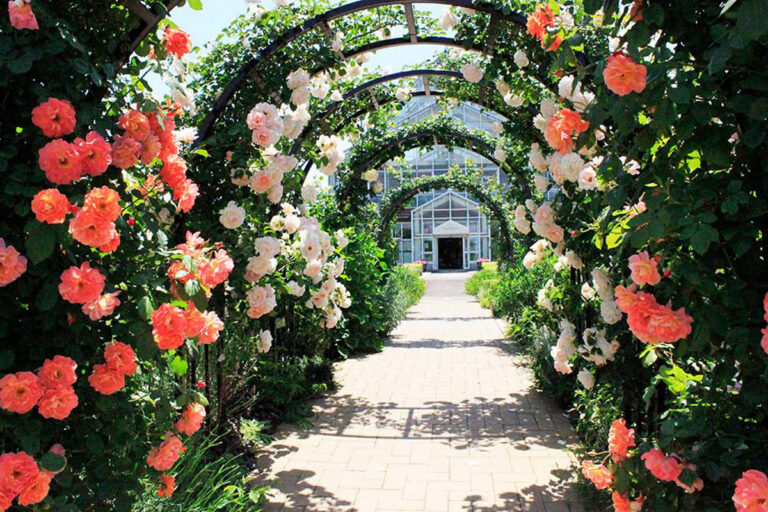
Shimizu Park Flower Fantasia: A Floral Haven That Brings a Sense of Healing with Every Step
“Flower Fantasia” — a celebrated flower garden located within Shimizu Park Opened in 1894, Shimizu Park is a historic park with a long heritage. Covering approximately 280,000 square meters (69.2 ac), it offers a range of attractions, including field athletics, camping and barbecue areas, and a pony ranch. Here, we introduce the “Flower Fantasia” area located within the park. “Flower Fantasia” is a renowned flower garden that opened in 2002, created as a relaxing retreat for the local community. Covering approximately 60,000 square meters (14.8 ac) , it is designed for leisurely strolling, allowing visitors to enjoy the scenery at a gentle pace and complete a full circuit in just under an hour on foot. Within “Flower Fantasia,” the grounds are divided into themed areas including the “Seasonal Flower Beds,” redesigned three times a year, the “Rose Garden,” the “English Garden,” the“Aquatic Plant Area,” and the“Subtropical (Greenhouse) Area,” allowing visitors to enjoy a rich variety of ever-changing landscapes. The garden features approximately 700 species of plants. During the spring season, highlights include plum blossoms, peach blossoms, mimosa, cherry blossoms, peonies, wisteria, roses, and water lilies. In autumn, visitors can enjoy autumn roses, golden lace flowers, thoroughwort, pampas grass, and vibrant maple foliage. Open during two seasons — spring and autumn — the garden offers plantings that beautifully reflect the changing seasons. “We carefully considered the garden layout to create a soothing atmosphere,” says a member of the management staff. “By balancing the spacing between open areas and trees, and by incorporating variations in height, depth, and beautiful natural backdrops, we aimed to create a fresh and immersive landscape.” Perhaps as a result of these efforts, visitors often comment that the garden feels “spacious and relaxing” and “beautifully maintained.” Today, around 40,000 people visit each year to relax and unwind. Massed Flower Beds, Cascading Wisteria Trellises, and a Rose Garden…A Beautiful Succession of Blooms From mid to late April, a mass planting of approximately 5,400 pots of nemophila comes into peak bloom. True to its Japanese name, ruri-karakusa (“lapis lazuli flower”), the plant is admired for its vivid blue blossoms. As the stems spread low across the ground and bloom densely, they create a stunning landscape resembling a vast blue carpet. From late April to early May—around the same time the nemophila is in bloom—peonies also reach their peak, making this another must-see attraction. The peony garden within “Flower Fantasia” features approximately 1,000 plants representing around 80 varieties. With their many layered petals, the blossoms have a luxurious, showy appearance, displaying beautiful shades of red, pink, and white. In early May, wisteria comes into full bloom. Around 30 Japanese wisteria (called “Noda-fuji”), aged between 10 and 20 years, are planted here, with vines stretching an impressive 4 to 6 meters in length. Trained over trellises, the flowers cascade down in luxurious, waterfall-like clusters that never fail to captivate visitors. Planted beside a pond, the purple blossoms are beautifully reflected on the water’s surface, creating an even more enchanting scene. From mid-May to mid-June, the roses take center stage. The “Rose Garden” is home to approximately 1,300 rose bushes representing around 200 varieties, all blooming in magnificent profusion. A highlight is the rose tunnel, which stretches for about 10 meters, formed by connecting arches 3 meters wide and 2.6 meters high. Visitors can enjoy beautiful gradations of color created by roses in varying shades. Be sure to explore the diverse plantings as well, including an area dedicated to highly fragrant varieties and another featuring cultivars from the popular The Rose of Versailles series. During the rose season, the garden also hosts the “Rose Festa,” where visitors can enjoy live music, dance performances, and other special events. Early-summer blooms and Water LiliesAutumn color with Kochia and Salvias From early May to late August, water lilies come into bloom (the garden is closed during July and August). Three varieties of water lilies flower across a pond of approximately 3,000 square meters. Over the years, the plants have naturally multiplied, creating an increasingly spectacular display. Since the flowers tend to close in the evening, visiting in the morning is recommended for the best viewing experience. The flower beds once covered in nemophila are redesigned in May and newly planted with colorful summer blooms. Approximately 4,600 annual plants representing five varieties are arranged in sweeping border-style plantings. By creating gradations in flower color, the design emphasizes a sense of depth and makes the garden space feel even more expansive. There is also a greenhouse within “Flower Fantasia”. Covering approximately 150 square meters, it houses a diverse collection of tropical plants, including the three sacred trees of Buddhism: the bodhi tree (Ficus religiosa), sal tree (Shorea robusta), and mukuroji tree (Sapindus mukorossi). The photo shows the Jade Vine, which hangs its flower spikes 30–60 cm below and blooms with vivid emerald-green flowers. Native to tropical rainforests, this spectacular plant cannot be grown outdoors in Japan’s climate, making it a rare and popular attraction found only in greenhouses. The border-style flower beds once planted with summer annuals are redesigned once again for autumn, this time featuring mass plantings of kochia. From mid to late October, the fluffy green mounds gradually transform into brilliant shades of glowing red. Their vivid color creates a stunning contrast against clear autumn skies. Around the same time, visitors can also enjoy the autumn roses blooming beautifully in the rose garden. From mid-October to mid-November, Mexican bush sage reaches its peak bloom. Around 300 plants are grown across an area of approximately 100 square meters, creating a dynamic display as their long purple flower spikes sway gracefully in the breeze. Be sure to take a commemorative photo with the vibrant Mexican bush sage as a stunning seasonal backdrop! Shop for garden goods and local specialtiesA popular spot with a waffle shop The Park also features a souvenir shop, well worth a visit. Tucked quietly away on the north side is a charming single-story Japanese-style building that houses a specialty bubble waffle shop. Be sure to try the bubble waffles and gelato while you’re there. Information Shimizu Park Flower Fantasia Address: 906 Shimizu, Noda-shi, Chiba / Japan Call: +81-4-7125-3030Domestic (Japan): 04-7125-3030 Official Website:https://www.shimizu-kouen.com Access: 【By public transportation】10-minute walk from the west exit of “Shimizu-koen Station” on the Tobu Urban Park Line (Tobu Noda Line)【By car】・Approx. 12 km from the Nagareyama Interchange on the Joban Expressway via the Matsudo–Noda Road・Approx. 12 km from the Kashiwa Interchange on the Joban Expressway via National Route 16・Approx. 12 km from Koshigaya (National Route 4 area) via the Noda Highway Opening Seasons (2026):Spring 2/14(Sat)– 6/15(Mon)Autumn 9/12(Sat)– 12/13(Mon) Opening Hours:・9:00 a.m.–5:00 p.m. (last admission 4:00 p.m.) — February–June, September–October・9:00 a.m.–4:15 p.m. (last admission 3:30 p.m.) — November・9:30 a.m.–4:15 p.m. (last admission 3:30 p.m.) — December Admission:【April–May】Adults: ¥800Elementary & Junior High School Students: ¥300Seniors: ¥750【Other Month】Adults: ¥500Elementary & Junior High School Students: ¥200Seniors: ¥450※Senior rates apply to visitors aged 65 and over (ID required). Parking:Available・Up to 1 hour: ¥200・1–2 hours: ¥400・2–3 hours: ¥600・Over 3 hours: ¥800Note: Parking Lot No. 5 accepts cash only. All other parking lots accept credit cards, barcode payments, and electronic money.
-
tochigi
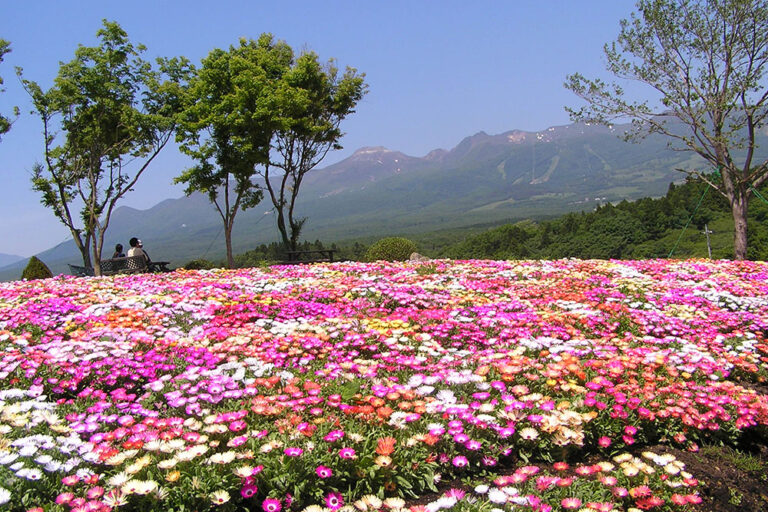
Nasu Flower World―Breathtaking Fields of Blossoms
Vast Flower FieldsSet Against the Majestic Nasu Mountains Located in northern Tochigi Prefecture on the southern slopes of Mount Nasu, the Nasu Highlands are known not only for their hot spring resorts but also for a wealth of leisure facilities such as ranches, campsites, zoos, golf courses, and ski resorts, making it one of Japan’s premier recreational areas. Opened in 2007, Nasu Flower World is a tourist garden set within this scenic highland region. Covering about 5 hectares (approx.12.4ac.), it offers enough space for visitors to enjoy a leisurely one-hour stroll. Nasu Flower World is located in a highland area at a relatively high elevation, making it a popular summer retreat. Representative Toru Wachi explains, “We chose this location for our garden to offer visitors a cooler escape and a chance to enjoy the summer breeze.” The concept is “a simple yet powerful and beautiful garden.” These dynamic flower fields are arranged in simple, striped zones, creating colorful landscapes that change with the seasons. The design also takes into account ease of maintenance, such as planting and fertilizing, ensuring that visitors always enjoy a well-kept carpet of flowers. At Nasu Flower World, the blooming relay is truly spectacular, with the garden’s scenery gradually shifting as the seasons progress. Spring begins with tulips, followed by nemophila (baby blue eyes), Iceland poppies, lupines, daylilies, celosia, and finally salvias taking the stage. In every season, the vivid colors—made possible by the highland’s sharp contrast between day and night temperatures—are truly captivating. With many visitors returning throughout the year, Nasu Flower World is a destination well worth experiencing. Spring Begins with tulips,Followed by Nemophila and Iceland Poppies The best time to see nemophila in bloom against the blue skies of the Nasu Highlands is from mid-May to mid-June. Approximately 150,000 plants are cultivated across 15,000 square meters (approx.3.7ac.). Visitors are welcome to bring their own food and drinks into the garden, making it a perfect spot to enjoy a picnic lunch or dessert while taking in the scenery. Iceland poppies are also at their peak from mid-May to mid-June. Around 50,000 poppies in shades of yellow, orange, and white are planted across 15,000 square meters (approx.3.7ac.). In the background, you can admire the beautiful ridgeline stretching from Kurootani and Minamigassan to Chausudake, Ken-ga-mine, and Asahidake. Early Summer Brings Lupines, Summer Lilies, and Celosiafrom Summer to Autumn The best time to see the lupines is from mid-May to mid-June. About 30,000 plants are cultivated across 10,000 square meters (approx.2.5ac.). The sight of their tall, colorful flower spikes in full bloom is truly spectacular. Pets are welcome in the garden as long as they are leashed, making it a perfect spot for a leisurely stroll while enjoying the flowers. In July, the lilies reach their peak bloom. About 20,000 lilies are planted across 10,000 square meters (approx.2.5ac.). Visitors can enjoy the striped mass plantings of lilies while feeling the cool summer breezes typical of this summer resort area. Celosias reach their peak from September to October, with about 250,000 plants spread across 30,000 square meters (approx.7.4ac.). The vast landscape, perfectly filled with vividly colored red and orange blooms, is breathtakingly beautiful and sure to leave visitors in awe. Bring Your Own Food and Drinks,and Relax in the Shop’s Rest Area From the high-ceilinged rest area, you can enjoy panoramic views of the garden. The shop next door sells drinks, soft serve, pizza and more, and visitors are also welcome to bring their own food. After a long stroll through the garden, it’s the perfect spot to relax with a light meal or a cup of tea. Information Nasu Flower World Address: 5341-1 Toyohara Hei, Nasu-machi, Nasu-gun, Tochigi/ Japan Call: +81-(0)287-77-0400 Official Website: http://www.flower-world.net Access:・Public transport: About 60 minutes by car from JR Nasushiobara Station West Exit, or about 50 minutes by car from JR Kuroiso Station West Exit・By car: About 40 minutes via Prefectural Route 17 north from the Tōhoku Expressway Nasu I.C., turn right at Hiroyachi Intersection, then via Prefectural Route 68; or about 24 minutes from Nasu-Kōgen S.A. via Route 4 and Prefectural Route 305. Open Season: Late April to late October (until the first frost) Closed Days: Open year-round Opening Hours: 9:00-17:00 Admission:・Adults 500–1,000 yen (varies by season)・Junior & Senior High School Students 300 yen・Elementary School Students 200 yen※For groups of 20 or more, admission is discounted by 20% Parking: 300 spaces (free)
-
kanagawa
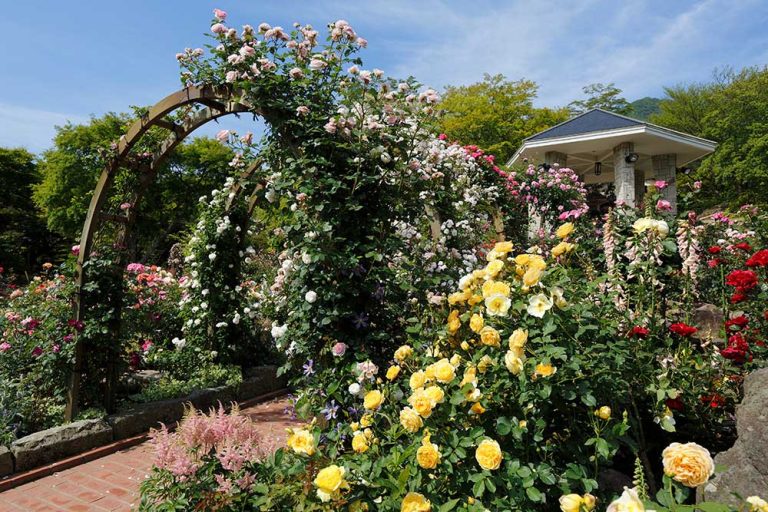
Hakone Gora Park – A Floral Paradise in Hakone!
A Tranquil Garden Framed by Hakone’s Mountains, Awash with Blossoms Beneath Clear Blue Skies Opened in 1914, Hakone Gora Park has been welcoming visitors for over a century. The garden was designed and supervised by Mr. Shichigorō Isshiki, who had previously created a Japanese garden for the Japan-Britain Exhibition held in London in 1910. There are both Western-style and Japanese-style gardens, and the use of numerous giant rocks to blend in with the landscape, taking advantage of the geological features, provides a glimpse of the advanced landscaping techniques of the time. Hakone Gora Park covers an area of 26,500 square meters and can be leisurely explored in about 30 to 40 minutes on foot. The park is currently divided into several main zones: the Rose Garden, the Fountain Area, the Craft House (hands-on experience facility), the Greenhouse, and Tea Room. At the center of the park lies a fountain plaza, offering a particularly stunning view of the surrounding Hakone mountains. Be sure to stop by.The flower beds in this view spot consist mainly of annual plants and are replanted four times a year. In spring, they are unified in refreshing white tones; in summer, blue and yellow flowers create a vivid contrast; in autumn, the beds take on a festive Halloween theme; while winter features colorful ornamental cabbages. Hakone Gora Park is located at an elevation of around 600 meters (nearly 2,000 feet), so the difference in temperature between day and night makes the colors of the flowers vivid and striking. Another highlight is the park’s three greenhouses, which can be enjoyed also in winter. These include the Tropical Plant Pavilion (approximately 211 species and 3,000 plants), the Bougainvillea Pavilion (48 species of bougainvillea), the Tropical Herb Pavilion (approximately 70 species and 125 plants), and the Event Pavilion, which can be visited in about 30 minutes for a thorough viewing of the plants. The Tropical Plant Pavilion is designed to evoke a jungle atmosphere. Visitors can see a variety of tropical fruits such as bananas, papayas, and pineapples, as well as more unusual plants like rose apples and the sausage tree. The Bougainvillea Pavilion in the photo above allows visitors to enjoy the spectacular blooms throughout the year. Bougainvillea is often thought of as a summer bloomer, but it is actually a short-day plant native to Colombia, with its peak blooming season from autumn through early spring (November to March). Because it blooms less during the long days of summer, other plants such as hibiscus (a long-day plant) are cultivated to bloom during that time, ensuring the pavilion is filled with vibrant flowers all year round. On the other hand, the Tropical Herb Pavilion displays plants that are the source of spices. To make it easier to compare temperate and tropical herbs, a temperate herb garden has been created near the Tropical Herb Pavilion, so it's a great idea to compare their fragrances as well. Hakone Gora Park is a scenic garden that is adorned with a rich variety of flowers throughout the year, and still retains the nickname “Garden of Dreams”, which it has been affectionately called since the park's opening. In addition, there are plenty of attractions such as cafes, restaurants, boutiques, and craft experiences, making it a wonderful leisure spot. Why not take a day to relax and spend some time there? Vibrant Flowers in Every Season, Glowing at 2,000 feet Above Sea Level Azaleas reach their peak from mid to late May, with about 1,000 plants bursting into bloom in shades of red, purple, white, and more around the fountain pond. In the park, you can also see the Akayashio (late March), Shiroyashio (late March), and Amagi azaleas (early April), which are only found at highlands. During their full bloom, when the branches and leaves are covered in blossoms, creating a mass of color, the sight is extremely vibrant and spectacular. The best time to see the roses is from late May to late June. Approximately 1,000 roses of 200 varieties will be in full bloom. There are also themed displays, including a section featuring fragrant roses, a section dedicated to old roses, and a section with roses named after the imperial family, which are also highlights of the exhibition.To make the most of the roses’ beauty, the rose garden features a tunnel of roses supported by wooden arches and dynamic flowerbeds combined with perennials, making it a delightful place to explore as you walk along. The best time to see hydrangeas is from mid-June to early July. The many mountain hydrangeas and western hydrangeas blooming throughout the garden greet visitors with their elegant and serene beauty. Especially eye-catching are the clusters of ‘Annabelle’, which are popular for their elegant white flowers, and large specimens of ‘Iwagarami’. During the “Hydrangea Exhibition,” approximately 80 varieties of hydrangeas will be on display, and seedlings of mountain hydrangea and western hydrangea will be on sale. In the fall, when the leaves begin to change color, offers the most breathtaking scenery of the year. The best time to view the foliage is from early to late November, when the garden is filled with large Iroha momiji and Yama momiji maple trees, turning the entire park a vivid shade of crimson. In October, visitors can also enjoy autumn roses, which bloom in deeper, richer colors compared to spring. Their stunning combination with the feathery plumes of pampas grass creates a truly beautiful scene. From December through March, around 100 Christmas rose plants throughout the garden come into full bloom. The blooming season begins in late December with the Helleborus niger species, followed by H. niger hybrids from late December to late January, the upright-stemmed varieties in mid-February, the narrow-leaved varieties in late February, and finally, the Lenten roses from mid-February to mid-March, blooming one after another in succession. Two Stylish Eateries! Featuring Menus Made with Handpicked Ingredients There are two stylish eateries in the garden. Pictured above is a sandwich shop called“Isshikido Tea House”, specializing in gourmet sandwiches made with finest ingredients. Popular menu items are the “Japanese rolled omelete sandwich made from naturally fertilized eggs” (1,320 yen, tax included) and the “Roast Japanese beef sandwich” (1,980 yen, tax included), which is generously filled with roast beef and lettuce.Open from 10:00 to 16:00 (last order 15:30), and takeout is also available. The French toast shown in the above photo (990 yen, tax included) is a popular item at Isshikido Tea House.Made by soaking bread in a mixture of milk, fresh cream, and naturally fertilized eggs, then letting it rest overnight before carefully baking, it has a moist and tender texture. It is served with seasonal fruits and fresh cream. At the other eatery, Café PIC, the limited daily specials“Gora Park Curry (40 servings per day) and Poached Egg Curry (20 servings per day)are also popular choices. Herbal Tea (630yen, tax included), with five varieties to choose from: Lavender Mix, Hibiscus Lemon, Rose Blend, Lemony Mint, and Chamomile Blend is highly recommended as well. Open from 10:00 to 16:00 (last call is at 15:30). Don’t Miss boutiques Filled with Local Handicrafts! Enjoy Seven types of Craft Experiences The park has a Souvenir Shop that offers a wide variety of Hakone souvenirs, including miscellaneous goods and sweets. One highlight is Komamonoya Hakone, a boutiques that opened in the summer of 2019. Under the theme of “Arts & Crafts,” the shop features traditional Hakone handicrafts and works by renowned Japanese craft artists. Be sure to stop by and enjoy some memorable shopping to mark your visit. Within the park, you'll find the Hakone Crafthouse, where visitors can enjoy seven different hands-on craft experiences. Prices and estimated time required are as follows. ■Glass Blowing (from 4,400 yen, approx.15 minutes)■Ceramics (from 4,290 yen, approx. 40 minutes)■Sandblasting (from 3,520 yen, approx. 60 minutes)■Tombo-dama – Lampwork Bead (from 2,750 yen, approx. 15 minutes)■Pottery Painting (3,850 yen, approx. 60 minutes)■Kiriko Glass (3,850 yen, approx. 60 minutes)■Laser Engraving (2,420 yen, approx. 30 minutes) Each session is held one-on-one, with patient and thorough guidance from skilled instructors. Information Hakone Gora Park Official Site: https://www.hakonenavi.jp/gorapark/en/ Address:1300Gora,Hakone-machi,Ashigarashimo-gun,Kanagawa/Japan Call: 0460-82-2825 Access: 5-minute walk from Gora Station of Hakone Tozan Railway. Opening Hours: 9:00-17:00 (Open daily except otherwise noticed)※Last admission at 16:30 Admission: Adults: 560 yen Free for under 12 years old Free admission with Hakone Freepass, Hakone TozanTrain 1-Day Pass,Owakudani 2-Day Pass, Hakone Public Transports Single-Way Pass Parking Fees: Cars (up to 43 vehicles) (¥300/hr)
-
ibaraki
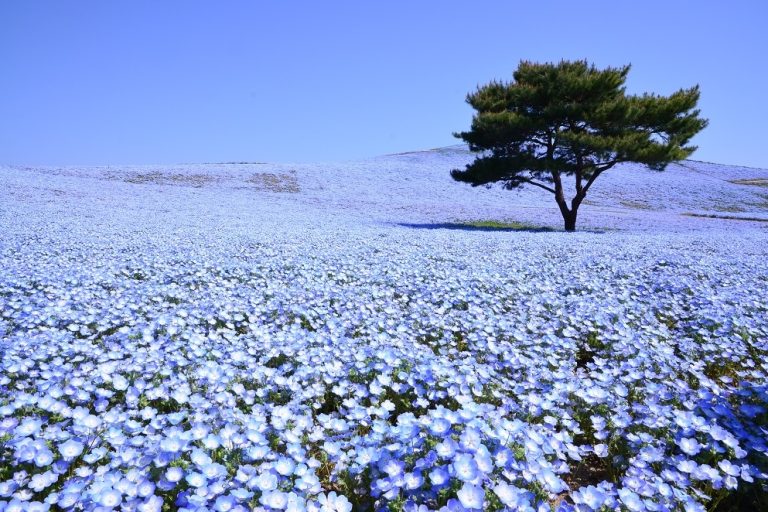
Hitachi Seaside National Government Park – Famous for its breathtaking view of nemophila flow…
Hitachi Seaside Park: A Vast and Scenic Urban Oasis Opened in 1991, Hitachi Seaside Park is a vast urban park with a total area of approximately 350 hectares(865ac), of which about 200 hectares(494ac) are currently open to visitors. Throughout the year, a variety of flowers bloom in the park, and the park also features a forest adventure playground, a barbecue area (reservation required), the "Pleasure Garden" amusement area with rides and attractions, cycling paths, and spaces for nature observation. With so much to explore, it's nearly impossible to see everything in a single day. Be sure to check the park map beforehand and decide which areas you want to focus on. One of the park’s defining features is its use of the vast grounds to plant large swathes of seasonal flowers, creating dynamic, landscape-wide displays. In particular, nemophila in spring and the kochia bushes from summer to autumn have become iconic, must see attractions. Nemophila May Be the Star of Spring, But Don't Overlook the 250,000 Tulips! At Hitachi Seaside Park, tulips begin blooming as early as January—even in the middle of winter. These are called "Ice Tulips," grown from bulbs that have been specially chilled before planting. Ice Tulips are known for blooming in the middle of winter and for their exceptionally long flowering period. Around 15,000 Ice Tulips bloom beautifully by the pond in front of the Glass House. For gardeners, winter is a season of longing for the sight of blooming flowers. A visit to see the Ice Tulips is the perfect way to soothe that craving—and to look forward to the coming of spring. The highlight of spring at the Hitachi Seaside Park is undoubtedly the tulips, which reach their peak bloom from mid to late April. In the “Tamago no Mori Flower Garden,” approximately 250,000 tulips of about 240 varieties come into bloom. A wide range of different types are featured each year, making it a favorite spot for many returning visitors. The tulips are carefully planted in a blend of early- and late-blooming varieties, allowing the scenery to change with the passage of time. When people think of Hitachi Seaside Park, they often think of nemophila. This image has become well established over the years. The best time to see them is from mid-April to early May. On “Miharashi Hill” within the park, about 4.5 million Nemophila menziesii (commonly known as ‘Baby Blue Eyes’) are planted, creating a breathtaking sea of blue. Surrounded by the blues of the sky, the sea, and the Nemophila, it’s a refreshing and unforgettable sight that everyone should experience at least once. Rose Relief Garden The “Hitachi-Rose Garden”, located in the Hitachi Seaside Park, features 3,400 roses of about 120 varieties. The best time to see the roses is from mid-May to early June in spring, and from late October to early November in autumn. The “Rose Relief Garden” in the above photo is designed to resemble a single large rose, with walking paths forming the shape of petals. It becomes a striking visual highlight when viewed from the park’s Giant Ferris wheel. In addition, about 1,600 Rugosa roses—a wild species and one of the original ancestors of modern roses—are planted in the garden. Ibaraki Prefecture marks the southernmost point along the Pacific coast where they grow naturally, making them especially significant here. During the rose season, the “Ibaraki Rose Festival” is held. Visitors can take part in a variety of events, including the “Hitachi Rose Garden Tour,” where knowledgeable guides share insights about the roses. There are also photo lessons, concerts, and hands-on craft workshops inspired by roses. At the same time as the roses bloom, visitors can also enjoy California poppies near the BMX course, as well as linaria and Shirley poppies in the “Grassland Flower Garden”. Be sure to visit these areas, too. Enjoy Sunflowers and Fluffy Kochia in Summer!In Autumn, the Scarlet Kochia Hills Steal the Show In mid-August, sunflowers become one of the park’s main attractions. At “Miharashi no Sato,” you can enjoy around 30,000 sunflowers blooming across a 4,700m2(approx.1.2ac.) field. A “Sunflower Maze” is also created, allowing visitors to wander through the sunflower field while aiming for the goal. Meanwhile, at the “Fountain Plaza Flower Garden”, around 40 different varieties of sunflowers are planted. It’s a great place to explore the diversity in color, shape, and size—and maybe even discover a variety you’d like to grow yourself. In early July, about 32,000 green kochia bushes cover the “Miharashi Hill” area of Hitachi Seaside Park. Don’t you think their fluffy round shape is kind of adorable? Be sure to snap some photos with these vibrant green puffs against the bright blue sky—it’s guaranteed to be Instagram-worthy! For about a week in mid-August, the “Miharashi Hill” area—where the kochia bushes grow—is open at night for a limited time. The highlight of the event is the colorful LED lights with lively background music.Each year features a different theme, creating a magical experience of lights and sound. Don’t forget to stop by the special gourmet area, where a variety of food stalls add to the festive atmosphere. And the kochia truly comes into its own from mid-October, when its bright green transforms into a stunning deep red. The gently sloping hill, completely covered in vibrant red, is well worth seeing. Be sure to visit in autumn to see the kochia. Around the same time, graceful autumn flowers such as red, white, and pink cosmos, as well as Japanese pampas grass and silvergrass, also come into full bloom. Explore the Spacious Park Aboard the Seaside Train!Enjoy Stylish Restaurants and Casual Cafés Throughout the Park At Hitachi Seaside Park, the Seaside Train loops around the park with 9 convenient stops. Visitors aged 3 and up can purchase a one-day pass for 600 yen, which allows for unlimited hop-on, hop-off rides throughout the day. Given the park’s expansive grounds, it’s an ideal option for those who aren’t used to walking long distances. The whole ride takes about 40 minutes, so it's a great idea to ride the train first and get a feel for the layout before deciding which areas to explore. Please note: pets are not allowed on the Seaside Train. There is one restaurant and seven casual eateries, including food stands and cafés, in Hitachi Seaside Park. The photo shows the Sea Side Café at Glass House, a glass-walled terrace café offering scenic ocean views. Opening hours are from 9:30 AM until an hour before the park closes (depending on the season). The last order is taken an hour and 15 minutes before closing. The Sea Side Café offers a variety of menu items, including Glass House Sobameshi (noodle rice) and Glass House Shrimp Pilaf (each ¥800), chiffon cake (¥650), Hitachino Honey Donuts (¥450), flower-inspired soft-serve ice cream (¥620), and nemophila-inspired ice cream (¥550). While the park has plenty of dining options, visitors are also welcome to bring their own food and drinks. Enjoy a relaxing break under the open sky with a picnic lunch or some snacks! Information Hitachi Seaside Park Address: 605-4 Onuma-aza, Mawatari, Hitachinaka, Ibaraki/Japan Call: Hitachi Seaside Park Office 029-265-9001 Pleasure Garden (Amusement Park) 029-265-8185 Official Website: https://hitachikaihin.jp/en/ Access:[By Train]・To Katsuta Station<Form Shinagawa>Around 1 hour 15 minutes by JR Joban Line Limited Express train from Shinagawa to Katsuta Station.< Form Iwaki>Around 1 hour by JR Joban Line Limited Express train from Iwaki to Katsuta Station.・From Katsuta Station< Regular Buses>Around 15 minutes to the West Gate or 20 minutes to the South Gate by bus from Katsuta Station East Exit Bus Stop No.2.Special non-stop bus from Katsuta Station East Exit to West Gate (Spring/Autumn Peak Season only)・From Tokai StationAround 30 minutes to the West Entrance from Tokai Station East Exit Bus Stop No. 1.< Change trains to the Minato line, Hitachinaka Seaside Railway>After the transfer at Katsuta, ride the train for 30 minutes to Ajigaura Station. From there on the park can be reached in 10 min. by bus or taxi. Take a local bus called Smile Aozora to the Kaihin Koen Nishiguchi Bus Stop. Also limited seasonal bus services and others are available between Ajigaura Station and Kaihinguchi(Seabreeze Entrance) on Saturdays, Sundays and public holidays in spring and autumn. Alternatively walk 20 min. from Ajigaura Station to the South Entrance of the Park.【Taxi】About 15 minutes from Katsuta Station East Exit to Hitachi Seaside Park West Gate.【By Expressway Bus】・From Tokyo StationAround two hours by expressway bus bound for Katsuta/Tokai from Tokyo Station Yaesu South Exit.【By Car】・From the Tokyo areaJoban Expressway → Kita-Kanto Expressway → Hitachinaka Toll RoadExit at Hitachi Seaside Park IC・From the Tohoku areaApproximately 15km from Hitachi Minami Ota ICApproximately 13km from Tokai Smart IC※For a detailed map, please click here. Days Closed: Every Tuesday (when Tuesday is a national holiday, the park will be closed on the next weekdayDecember 31 and January 1 From the day before the first Tuesday in February to the following Friday. Opening Hours: From March 1 to July 20 9:30-17:00 From July 21 to August 31 9:30-18:00 From September 1 to October 31 9:30-17:00 From November 1 to the end of February 9:30-16:30 Admission:・Standard Period Adults(15 and over): 450 yen Seniors(65 and over): 210 yen ・Peak Season(apply in April/May and October.) Adults(15 and over): 800 yen Seniors(65 and over): 560 yen Parking Fees: Standard Vehicle: 600yen Two-wheeled Vehicles: 300yen Large vehicles (buses, etc.): 1,800yen
-
tokyo
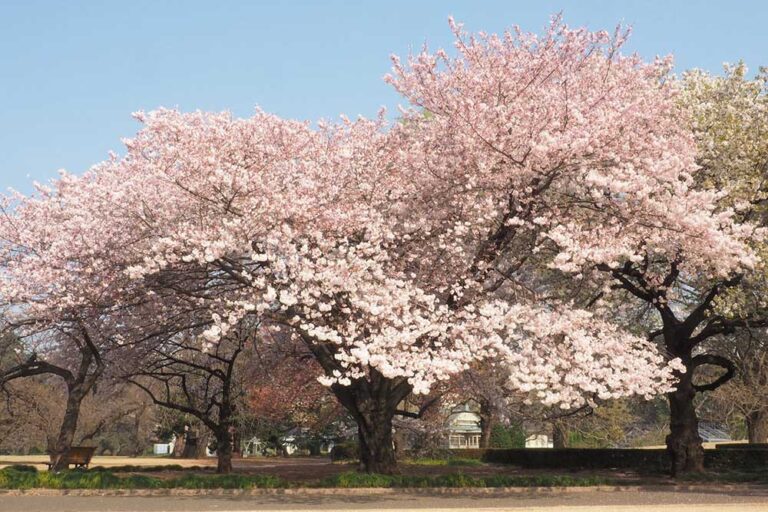
Shinjuku Gyoen National Garden―A Historic Garden Carrying On the Legacy of the Imperial Garden
A Lush Green Healing SpotSurrounded by Tokyo’s Skyscrapers Opened to the public in 1949, Shinjuku Gyoen spans an expansive area of approximately 58.3 hectares (144 ac) with a perimeter of 3.5 kilometers (2.2 mi). The garden is home to around 10,000 trees representing about 250 species, along with approximately 510 other varieties of plants. Shinjuku Gyoen was originally the residence of the Naito family, a feudal lord's household during the Edo period. In the Meiji period, it became the Naitō-Shinjuku Experimental Station, serving as a center for introducing modern Western horticulture. Later, it came under the jurisdiction of the Imperial Household Ministry as the Imperial Botanical Garden, taking on the additional role of an agricultural site for the Imperial Family. In later years, plans were developed to renovate the area into an Imperial garden, and the design was commissioned to French landscape architect Henri Martinet. The garden was completed in May 1906 and was named “Shinjuku Gyoen.” Years later, in 1949, it was opened to the public as “Shinjuku Gyoen National Garden,” a name and role it retains to this day. The current layout of Shinjuku Gyoen largely follows the original garden design completed in 1906. It is characterized by a combination of a Western garden and a Japanese garden, consisting of an open lawn, cherry trees and other trees on both sides of the lawn, and a pond. Another highlight is the preservation of botanical heritage from the Meiji era, including spring cherry blossoms, autumn chrysanthemum beds, towering tulip trees, and orchids in the greenhouse. The current garden can be broadly divided into several areas: the formal garden extending from the Main Gate; the gravel plaza (originally intended as the site for a palace); the Landscape Garden area featuring spacious lawns and ponds as part of the Western-style garden; the Japanese Traditional Garden, where the annual Chrysanthemum Exhibition is held; the area around Tamamo Pond—once the daimyo garden of the Naitō family—near the Okido Gate; and “Mother and Child Woods(Hahato-Kono-Mori),” a section developed after Shinjuku Gyoen became a national garden. In spring, Shinjuku Gyoen is adorned with cherry blossoms, azaleas, white magnolias, and dove trees.Summer brings hydrangeas, agapanthus, rose of Sharon, crape myrtles, and lush green lawns.In autumn, visitors can enjoy Mexican bush sage, fragrant olives, red spider lilies, camellia sasanqua, autumn roses, and vibrant autumn foliage.Winter features daffodils, plum blossoms, and camellias. The scenery and plant life of Shinjuku Gyoen change constantly throughout the year, offering new discoveries with every visit. Shinjuku Gyoen has become a popular spot for foreign tourists. Visitors have praised it as a “well-maintained park,” a place “where you can feel nature and relax right in the heart of the city,” and noted that “the greenhouse is filled with lush plantings, with flowers and plants growing in excellent condition.” Many people return for repeat visits. Be sure to visit as many times as you like and discover your own favorite highlights. Discover Exotic Plants in the Main GreenhouseJoin a Guided Walk Held Twice a Month! Shinjuku Gyoen features a large greenhouse that showcases approximately 2,700 species of plants. Covering an area of about 2,750 square meters (0.68ac), it takes around 20 to 30 minutes for an adult to walk through the entire space. Inside the greenhouse, the space is divided into themed zones, allowing visitors to enjoy displays such as “Plants and People of the Tropics,” “Tropical Wetland Plants,” “Okinawa Corner,” “Tropical Lowland Plants,” “Ogasawara Corner,” “Arid Region Plants,” and “Tropical Mountain Plants.” The large greenhouse offers “guided walks” twice a month. In the second week, the “Greenhouse Viewing Class” provides explanations about seasonal plants currently at their best inside the greenhouse. In the third week, the “Backyard Tour” takes visitors into areas normally closed to the public, where staff explain Shinjuku Gyoen’s roles, such as cultivating orchids since before World War II and conserving endangered species. Around 40 minutes are spent touring the greenhouse, and admission is free (limited to approximately 20 people on a first-come, first-served basis). The guided content varies depending on the condition of the plants, so you can enjoy it even on repeat visits. A Historic Garden Gracedwith Over a Century of Timeless Elegance In spring, be sure to take note of the beauty of the flowering trees in Shinjuku Gyoen. Approximately 1,000 cherry trees of about 65 varieties are planted throughout the garden. The cherry blossom season spans from mid-February to late April, with peak viewing typically occurring from mid-March to early April. A special evening illumination event featuring late-blooming double-flowered cherry trees (Yaezakura) is scheduled for mid-April (details to be announced). The azaleas pictured are at their best from late April to early May. On April 29, Shinjuku Gyoen will host the "Shinjuku Gyoen Midori Festa," an event aimed at deepening understanding of nature and promoting the responsible use and appreciation of the natural environment. In early May, the two wisteria trees in the garden reach full bloom. Trained over a trellis, their cascading flower clusters create a breathtaking sight. In mid-May, the garden will host the "LOHAS Design Awards," an event featuring workshops that promote awareness of issues such as global warming prevention and the importance of resource recycling. A vibrant variety of roses is planted at Shinjuku Gyoen. The best time to see the spring roses is from early May to early July, with the peak bloom occurring from early to late May. The autumn roses are in bloom from mid-October to late November. The rose garden in the photo is divided into two areas: the Western Garden, which features mainly hybrid teas and floribundas, and the Eastern Garden, which focuses on shrubs and English roses. In total, approximately 110 varieties and about 500 rose bushes are planted. All 16 rose varieties that have been inducted into the Hall of Fame at the World Rose Convention, held once every three years, are planted here. Strolling through the rose garden while trying to spot each of these honored varieties is an enjoyable experience. Shinjuku Gyoen’s main autumn event is the Chrysanthemum Exhibition, held annually from November 1 to 15. This exhibition traces its roots back to the “Imperial Chrysanthemum Viewing,” first organized by the Imperial Household Ministry at the temporary Akasaka Imperial Palace in 1878. After a period of suspension during wartime and other changes, the exhibition was opened to the public for the first time at Shinjuku Gyoen in 1949. The Chrysanthemum Exhibition showcases the pinnacle of traditional Japanese chrysanthemum cultivation techniques and artistry, including displays such as the "Kengai-zukuri (Cascade Style) Bed," "Ise, Chōji, and Saga Chrysanthemum Bed," "Ōzukuri (Large-Scale Style) Bed," "Edo Chrysanthemum Bed," "Ichimonji and Kudamono Chrysanthemum Bed," "Higo Chrysanthemum Bed," and "Large Chrysanthemum Bed." Each display features meticulously cultivated blooms in their finest form. The best time to view the autumn leaves at Shinjuku Gyoen is from mid-November to mid-December. Around mid-November, the rows of plane trees (Platanus) reach their peak golden color. This is followed by the vibrant hues of maple trees near the Shinjuku Gate and around the pond in the Japanese garden, as well as cherry and tulip trees (liriodendrons) throughout the park. As the peak of the autumn foliage season begins, trees such as bald cypress, cherry, and zelkova reach their full autumn colors. Throughout the garden, cherry trees turn from orange to deep crimson, while tulip trees (liriodendrons), Tamukeyama maples, and various other maples offer brilliant displays of fall color. Near the Shinjuku Gate, the maple trees form a vivid archway to welcome visitors, and toward the end of the season, the maples on Momiji-yama (Maple Mountain) provide the final burst of autumn hues. The first light-up event was held in 2019 in the area near the Sendagaya Gate, and since then, light-up events have continued to be held around the same time, allowing visitors to enjoy the autumn leaves. Take a Look at the “Flower Market” Held MonthlyRestaurants and Gift Shops offer a Variety of Original Items! At Shinjuku Gyoen, a "Flower Market" is hosted monthly. Seasonal flower seedlings, potted plants, bulbs, Italian vegetables and herbs, flower seeds, and herb-related goods are available for purchase. Knowledgeable staff are on hand to provide clear and helpful advice on plant cultivation and care if you have any questions. Inside Shinjuku Gyoen, you’ll find the restaurant Yurinoki Tsuburano—a perfect spot for a relaxing break. Open from 11:00 a.m. to last order at 3:30 p.m., it is closed on the same days as the garden. With 130 seats, this spacious restaurant offers views of the landscape-style garden, allowing guests to enjoy seasonal scenery while dining. The menu features original dishes tailored to the season, including Kyoto-style bento meals. The gift shops at Shinjuku Gyoen offer a wide selection of souvenirs. Traditional Japanese sweets such as dorayaki and handmade monaka are available. As shown in the photo, you'll also find a variety of exclusive Gyoen merchandise featuring traditional Japanese patterns, such as postcards and plastic folder, as well as fashion accessories and miscellaneous goods. There are also books related to Shinjuku Gyoen. You'll definitely want to start a collection! Information Shinjuku Gyoen National Garden Address: 11 Naito-machi, Shinjuku-ku, Tokyo/Japan Call: +81-(0)3-3351-1461 Email: info-shinjuku@fng.or.jp Official Website: https://fng.or.jp/shinjuku/en/ Access:【Shinjuku Gate】■By Train JR, Keio, Odakyu Lines: 10 min walk from Shinjuku Station (South Exit) Seibu Shinjuku Line: 15 min walk from Seibu-Shinjuku Station Tokyo Metro Marunouchi Line: 5 min walk from Shinjuku-gyoemmae Station (Exit 1) Tokyo Metro Fukutoshin Line: 5 min walk from Shinjuku-sanchome Station (Exit E5) Toei Shinjuku Line: 5 min walk from Shinjuku-sanchome Station (Exit C1/C5) ■By Bus 品97 (Shinagawa Depot – Shinjuku Sta. West Exit): Get off at Shinjuku-nichome 池86 (Higashi-Ikebukuro 4-chome – Shibuya Sta. East Exit): Get off at Shinjuku-yonchome 早77 (Waseda – Shinjuku Sta. West Exit): Get off at Shinjuku-sanchome Shinjuku WE Bus (West Exit – East Exit): Get off at Shinjuku Gyoen 【Okido Gate】■By Train Tokyo Metro Marunouchi Line: 5 min walk from Shinjuku-gyoemmae Station (Exit 2) ■By Bus 品97 (Shinagawa Depot – Shinjuku Sta. West Exit): Get off at Shinjuku-itchome 池86 (Higashi-Ikebukuro 4-chome – Shibuya Sta. East Exit): Get off at Shinjuku-yonchome 【Sendagaya Gate】■By Train JR Chūō–Sōbu Line: 5 min walk from Sendagaya Station Tokyo Metro Fukutoshin Line: 10 min walk from Kitasando Station (Exit 1) Toei Ōedo Line: 5 min walk from Kokuritsu-Kyōgijō Station (Exit A5) ■By Bus 黒77 (Meguro Sta. – Sendagaya Sta.): Get off at Sendagaya Station 池86 (Higashi-Ikebukuro 4-chome – Shibuya Sta. East Exit): Get off at Kitasando 早81 (Waseda Univ. Main Gate – Shibuya Sta. East Exit): Get off at Sendagaya Station Hachiko Bus (Shibuya – Yoyogi): Get off at National Noh Theatre or Sendagaya Station Days Closed:Mondays (If Monday is a national holiday, closed on the next weekday)Year-end & New-year days (Dec.29 to Jan.3) Special Open Period: (Open 7 days a week during the period)Spring Mar.25 to Apr.24, Autumn Nov.1 to 15 Opening Hours:Oct.1 to Mar.14 9:00-16:00 (Gate closes at 16:30) Greenhouse Opening Hours 9:30-15:30Mar.15 to Jun.30/Aug.21 to Sep.30 9:00-17:30 (Gate closes at 18:00) Greenhouse Opening Hours 9:30-17:00Jul.1 to Aug.20 9:00-18:30 (Gate closes at 19:00) Greenhouse Opening Hours 9:30-18:00 Admission:Adults: 500 yenSeniors(65 and over): 250 yenStudents: 250 yen*Free for children(Junior high school students / 15 and under) Parking Fees:Standard Vehicle: Visitors: 600yen for up to 2 hours, 200yen per 30 minutes thereafter Non-visitors: 300yen per 15 minutesLarge vehicles (buses, etc.): 3,500yen for 60 minutes, 900yen per 30 minutes thereafter Drinking alcohol, using sports equipment and musical instrument in the garden are prohibited. All Photos courtesy of the Ministry of the Environment Shinjuku Gyoen Management Office
Follow us


