
Sera Kogen Farm: An Unforgettable Experience in a Breathtaking Flower Field


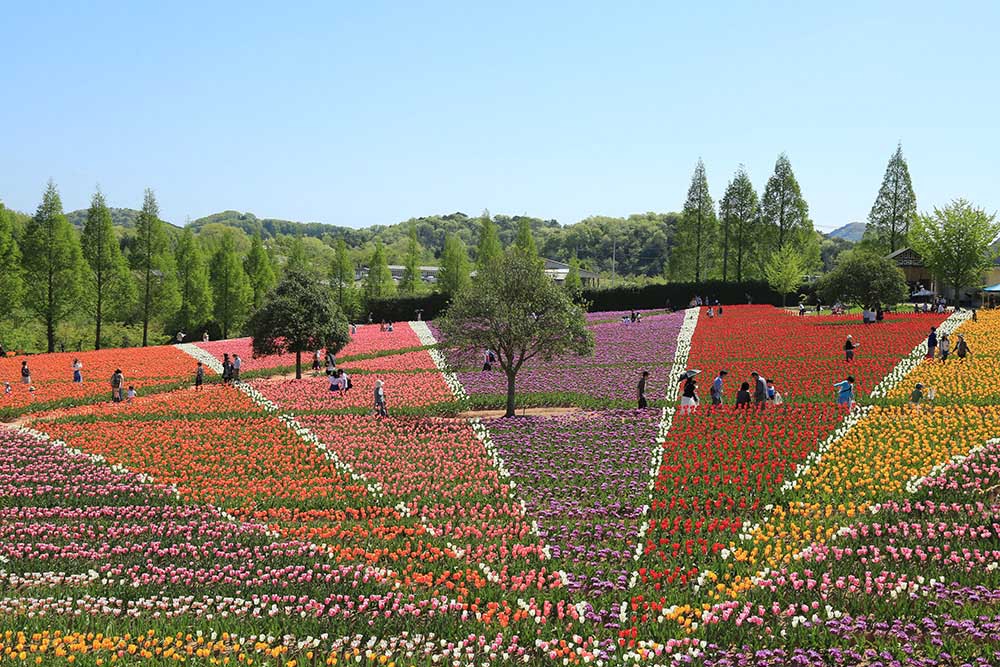
Sera Kogen Farm was originally created as a measure to revitalize neglected farmland, beginning with a sunflower field that attracted visitors. Responding to the growing demand, it has evolved year by year into a flower-themed sightseeing farm. Its dynamically colored flower fields have become widely talked about, drawing approximately 150,000 visitors annually despite being open only for limited periods. In addition to hosting a wide variety of seasonal events, the farm also features well-equipped restaurants and souvenir shops, making it a destination that flower lovers will want to visit each season.
Experience the Harmony of Nature in
Vast, Spectacular Flower Fields
Located in the highlands of Hiroshima Prefecture, Sera Kogen Farm is open to the public for limited periods across four seasons. Originally, the farm produced leaf tobacco, but when production was scaled down, sunflowers were planted in 1994 to prevent the fields from falling into disuse.
As the mass-planted sunflowers blooming all at once spread by word of mouth, the number of visitors steadily increased. This sparked ongoing improvements year after year, transforming the site into a highly popular flower tourism farm where blooms flourish throughout the seasons, complemented by a variety of restaurants and shops.

Covering an area of 150,000 square meters(about 37 acres), Sera Kogen Farm is expansive enough to take about one and a half to two hours to explore at a leisurely pace. Each season features mass plantings of different flowers—cherry blossoms and tulips in spring, sunflowers in summer, and dahlias in autumn—creating breathtaking, large-scale landscapes. To prevent soil depletion from repeated use of the same areas, plantings are rotated annually, ensuring a different floral landscape unfolds each year.
The farm’s designs and plantings are all created by the dedicated staff themselves. Each year, their ideas—sparked by questions like “What can we do to surprise visitors this time?”—continue to evolve with a spirit of hospitality, drawing many repeat visitors back to the farm.
During the event periods, a variety of activities are offered, including pressed-flower crafts and wind chime painting workshops. For families with children, it’s an ideal destination for a full day of fun.
Cherry Blossoms, Tulips, Sunflowers, and Dahlias
A Winning Strategy: Opening Only at Peak Bloom

The Sakura Festival takes place from early to mid-April, when the cherry blossoms are at their peak. About 800 cherry trees across 10 varieties blanket the entire park in shades of pink. Since bringing your own food is allowed, visitors can spread out a picnic blanket and enjoy cherry-blossom viewing. During the same period, other flowers such as hyacinths, grape hyacinths (muscari), daffodils, pansies, snow willow (Spiraea), and forsythia are also in bloom.

The Tulip Festival runs from mid-April to mid-May. The spectacular scenery, created by 750,000 tulips across 300 varieties, is truly breathtaking. With new color schemes and designs introduced each year, many fans look forward to the arrival of spring. By combining early- and late-blooming tulips, the displays are carefully planned to extend the viewing period. During the festival, children who find a four-leaf clover in the park will receive a small gift (available to holders of a children’s admission ticket).

From early to late August, the Sunflower Festival takes place as 1.1 million sunflowers representing 50 varieties reach their peak. Each area is planted according to a specific theme, featuring mass plantings of varieties that grow up to two meters tall, a “sample garden” showcasing rare types, a section dedicated to red sunflowers, and a maze created from double-flowered sunflowers. Visitors can also step into the sunflower fields to take photos from within the blooms.

There is also an observation deck offering a panoramic view of the sunflower fields, with a photogenic exterior that makes it especially appealing. Photo spots are set up throughout the flower fields as well, so be sure to take some memorable pictures. During the Obon holiday period only, a “Sunflower Tower”—decorated with fresh sunflowers and standing about four meters tall—is also installed.

During the Sunflower Festival, blue salvia also comes into its peak season. Around 30,000 plants are in bloom, their slender flower spikes rising gracefully and adding a refreshing touch of color that creates a striking contrast with the sunflowers. The blue salvia continues to bloom for a long period until the Dahlia Festival held in autumn.

The autumn Dahlia Festival runs from mid-September to late October. Featuring a collection of around 550 varieties—on a scale comparable to a trade fair—the festival showcases 7,500 dahlia plants in bloom. Dahlias come in a wide range of forms, sizes, and plant heights, making it fun to search for your personal favorites. There is also a special area dedicated exclusively to newly developed varieties, offering a glimpse into the latest dahlia trends.
An Autumn Harvest Festival That Connects Visitors with the Land
Enjoy Hands-On Craft Workshops Throughout the Festival

The Harvest Festival (a.k.a. the Daikon Festival) is held in late October or on the first weekend of November. Visitors can take part in radish harvesting for 100 yen per daikon, with the variety ‘Yakusha Yokocho’, which grows to an impressive average weight of about 2.5 kilograms. Be sure to wear clothes you don’t mind getting dirty. The event is limited to 20,000 radishes over two days, and there is no limit per person.
A rice cake–pounding event is also held, and free oden is served to 1,000 participants, making it a lively and generous celebration of the season.

At Sera Kogen Farm, pressed-flower craft workshops are available whenever the farm is open. No advance reservation is required—simply ask the staff at Flower Cafe counter to sign up.
Information
Sera Kogen Farm
Address: 1124-11 Beppaku, Sera-cho, Sera-gun, Hiroshima/ Japan
Call: +81-(0) 847-24-0014
Official Website:
https://sera.ne.jp/en/
Access:
Approximately 15 minutes (about 12 km) from Sera IC on the Sanyo Expressway
Open Periods:
•Sakura Festival: Early–mid April
•Tulip Festival: Mid April–mid May
•Sunflower Festival: Early–late August
•Dahlia Festival: Mid September–late October
•Harvest Festival (Daikon Festival): Late October or the first weekend of November
Opening Hours:
・9:00–17:00
Hours may be extended to 8:00-18:00 during major holiday periods.
Admission:
•Adults: 500-1200 yen
•Children (ages 4–elementary school): 300-600 yen
Admission fees vary depending on bloom conditions and festival schedules. Please check the website below for details.
https://sera.ne.jp/en/fees-schedule/
Parking:
1,000 spaces (free)
Credit
Interview & Text / Osada Setsuko

Writer&Editor.
Specializes in lifestyle topics, focusing on gardening, interior design, and housing.
Became independent and started working as a freelancer after working for an editorial production company for about 10 years from 1994.
Enjoying gardening with balcony garden.
Translation / Garden Story Editorial Team
Follow our official SNS accounts
to receive the latest information!






Latest Articles
-
garden

Sera Kogen Farm: An Unforgettable Experience in a Breathtaking Flower Field
Sera Kogen Farm was originally created as a measure to revitalize neglected farmland, beginning with a sunflower field that attracted visitors. Responding to the growing demand, it has evolved year b…
-
plants
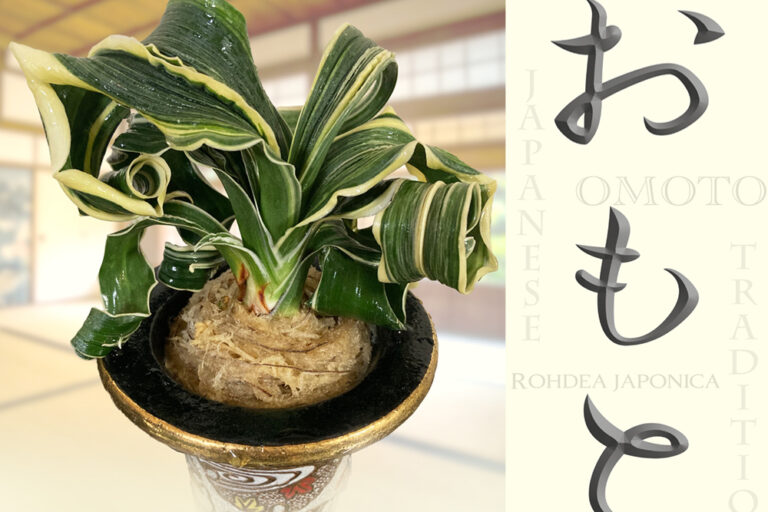
Omoto (Rohdea japonica): Exploring the Winter Beauty of a Traditional Japanese Foliage Plant
Learn about Omoto (Rohdea japonica), a traditional Japanese foliage plant that brings greenery to indoor spaces even in winter. Featuring expert commentary from the Japan Omoto Association, this arti…
-
free garden

Kiso Sansen Park Center: A Landmark Facility in Japan’s Largest National Government Park, Spanning …
Japan's largest park, the Kiso Sansen National Government Park, encompasses 13 distinct parks. Among them, the Kiso Sansen Park Center is a place where visitors can enjoy seasonal flowers throughout …
Follow us


